The UN’s Sustainable Development Goals: A Blueprint for a Better Future
In 2015, the United Nations adopted the 2030 Agenda for Sustainable Development, which includes 17 Sustainable Development Goals (SDGs). These goals are a universal call to action to end poverty, protect the planet, and ensure prosperity for all by 2030.
The 17 SDGs are:
- No Poverty
- Zero Hunger
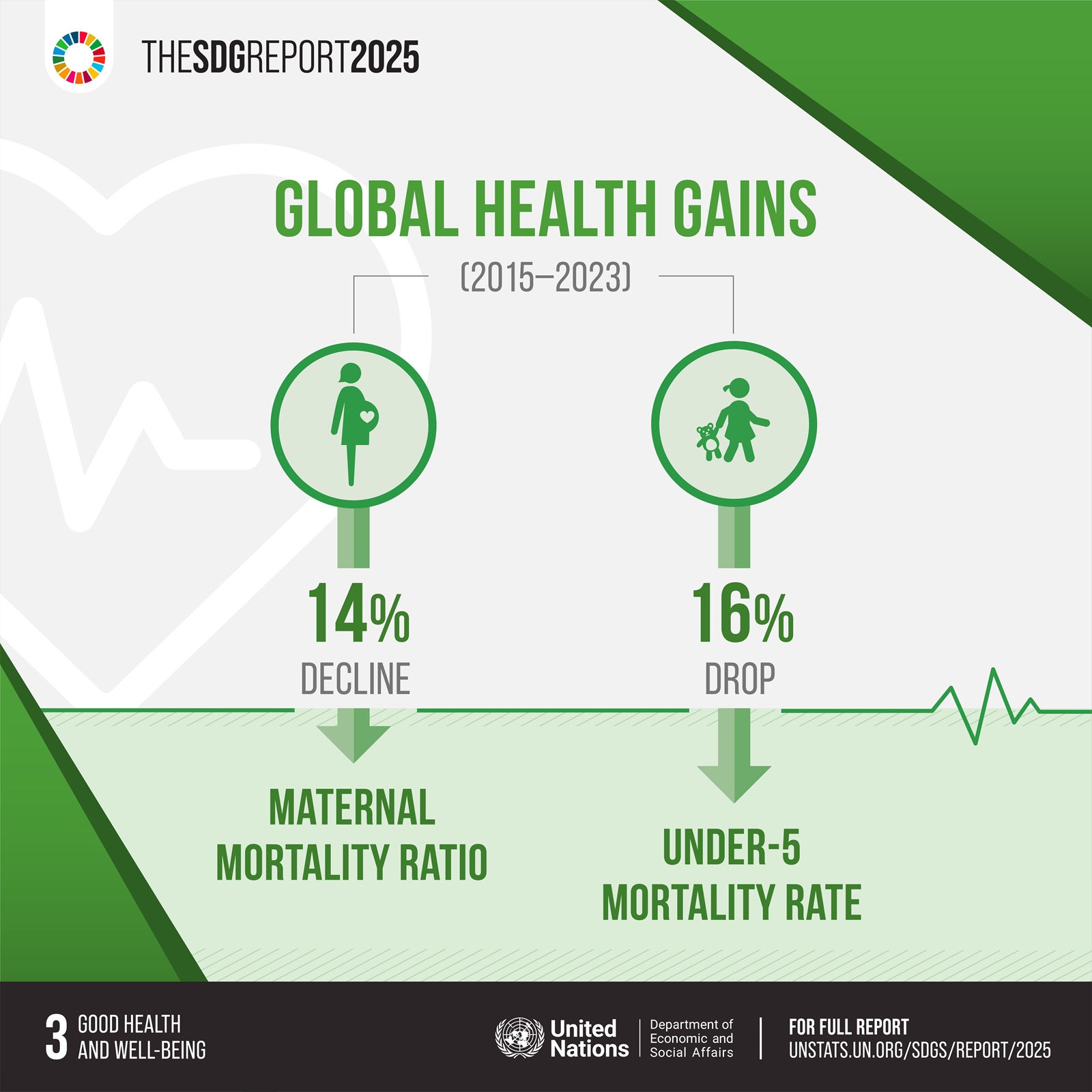
- Good Health and Well-being
- Quality Education
- Gender Equality
- Clean Water and Sanitation
- Affordable and Clean Energy
- Decent Work and Economic Growth
- Industry, Innovation, and Infrastructure
- Reduced Inequality
- Sustainable Cities and Communities
- Responsible Consumption and Production
- Climate Action
- Life Below Water
- Life on Land
- Peace, Justice, and Strong Institutions
- Partnerships for the Goals
The SDGs are interconnected and aim to address global challenges such as poverty, inequality, climate change, environmental degradation, peace, and justice. By working towards these goals collectively, countries can create a more sustainable future for all.
To achieve the SDGs by 2030 requires collaboration between governments, businesses, civil society organisations, and individuals. Everyone has a role to play in implementing these goals at a local, national, and global level.
The UN’s Sustainable Development Goals provide a roadmap for creating a more inclusive,
sustainable world where no one is left behind. By taking action today,
we can build a better future for generations to come.
Contact Us:If you want to learn more about how you can contribute to the SDGs or have any questions,
please feel free to get in touch with us. Together,
we can make a difference!
Eight Advantages of the UN Sustainable Development Goals: A Framework for Global Progress and Cooperation
- Address global challenges such as poverty, inequality, and climate change.
- Provide a universal framework for countries to work towards common goals.
- Promote sustainable economic growth that benefits both people and the planet.
- Encourage collaboration between governments, businesses, and civil society organisations.
- Help create more resilient communities that can withstand environmental and social shocks.
- Empower individuals to take action towards a more sustainable future.
- Foster innovation in key areas such as clean energy, infrastructure, and education.
- Enhance global cooperation and partnerships to achieve shared objectives.
Challenges of the UN Sustainable Development Goals: Complexity, Resource Demands, and More
- Complexity
- Resource Intensive
- Inequality
- Lack of Accountability
- Political Challenges
- Resistance to Change
- Short-term Focus
Address global challenges such as poverty, inequality, and climate change.
The United Nations’ Sustainable Development Goals offer a proactive approach to addressing pressing global issues such as poverty, inequality, and climate change. By setting clear targets and promoting coordinated action, the SDGs provide a framework for countries to work together towards eradicating poverty, reducing inequalities, and combating climate change on a global scale. Through collective efforts and shared responsibility, the SDGs aim to create a more equitable and sustainable world for present and future generations.
Provide a universal framework for countries to work towards common goals.
The UN’s Sustainable Development Goals offer a universal framework that enables countries to collectively strive towards shared objectives. By providing a set of common goals, the SDGs foster global cooperation and alignment in addressing pressing issues such as poverty, inequality, climate change, and sustainable development. This framework encourages nations to work together, pooling resources and expertise to tackle challenges that transcend borders and impact people worldwide. It promotes a sense of unity and collaboration among countries, fostering a collective effort towards building a more sustainable and equitable future for all.
Promote sustainable economic growth that benefits both people and the planet.
One of the key advantages of the UN’s Sustainable Development Goals is their focus on promoting sustainable economic growth that benefits both people and the planet. By prioritising environmentally-friendly practices and inclusive economic development, these goals aim to create a balance between prosperity and environmental stewardship. This approach not only ensures long-term economic stability but also safeguards the well-being of current and future generations by fostering a harmonious relationship between human activities and the natural world.
Encourage collaboration between governments, businesses, and civil society organisations.
One key advantage of the UN’s Sustainable Development Goals is their ability to foster collaboration among governments, businesses, and civil society organisations. By encouraging these diverse stakeholders to work together towards common objectives, the SDGs promote a more integrated and effective approach to addressing global challenges. This collaborative effort allows for the pooling of resources, expertise, and innovative ideas from various sectors, leading to more impactful and sustainable solutions that can benefit communities worldwide.
Help create more resilient communities that can withstand environmental and social shocks.
The UN’s Sustainable Development Goals play a crucial role in helping to build more resilient communities capable of withstanding environmental and social shocks. By addressing issues such as climate change, poverty, inequality, and access to basic services, the SDGs empower communities to adapt and respond effectively to challenges. Through sustainable practices and inclusive policies, these goals foster a sense of preparedness and cohesion within communities, ultimately strengthening their ability to bounce back from crises and thrive in the face of adversity.
Empower individuals to take action towards a more sustainable future.
One significant advantage of the UN’s Sustainable Development Goals is their ability to empower individuals to take meaningful action towards a more sustainable future. By outlining clear objectives and targets, the SDGs provide a roadmap for individuals to understand how their actions can contribute to global sustainability efforts. This empowerment encourages people from all walks of life to make positive changes in their daily lives, communities, and beyond, ultimately fostering a collective movement towards a more sustainable and equitable world for present and future generations.
Foster innovation in key areas such as clean energy, infrastructure, and education.
One significant advantage of the UN’s Sustainable Development Goals is their ability to foster innovation in crucial areas like clean energy, infrastructure, and education. By setting clear targets and promoting sustainable practices, the SDGs encourage countries and organisations to explore new technologies and approaches to address these challenges. This emphasis on innovation not only drives progress towards a more sustainable future but also creates opportunities for economic growth, job creation, and improved quality of life for communities worldwide.
Enhance global cooperation and partnerships to achieve shared objectives.
One significant benefit of the UN’s Sustainable Development Goals is their ability to enhance global cooperation and partnerships in order to achieve shared objectives. By setting common goals that address pressing global issues such as poverty, inequality, and climate change, the SDGs encourage countries, organisations, and individuals to work together towards a common purpose. This collaborative approach fosters stronger relationships between nations and promotes a sense of collective responsibility in tackling challenges that transcend borders. Through mutual cooperation and partnerships, the SDGs pave the way for a more unified and sustainable future for all.
Complexity
The complexity of the United Nations’ Sustainable Development Goals lies in the breadth of issues they aim to address. With 17 distinct goals covering a wide range of areas such as poverty, health, education, climate change, and more, the challenge of implementation and monitoring becomes significant. Coordinating efforts across multiple sectors and stakeholders to achieve progress on all fronts requires careful planning, collaboration, and resources. The interconnected nature of the goals also means that progress in one area can impact outcomes in others, adding another layer of complexity to the process. Despite these challenges, addressing the complexity of the SDGs is crucial to creating a more sustainable and equitable future for all.
Resource Intensive
Achieving the UN’s Sustainable Development Goals poses a significant challenge due to its resource-intensive nature. The implementation of these goals demands substantial financial investments, making it a potential barrier for many countries, particularly those with limited economic resources. The need for funding to support initiatives aimed at eradicating poverty, improving healthcare, ensuring education for all, and addressing environmental concerns can strain national budgets and hinder progress towards the SDGs. Finding sustainable financing mechanisms and fostering global partnerships are crucial in overcoming this con and ensuring that all countries can work towards a more equitable and prosperous future.
Inequality
Progress towards the UN’s Sustainable Development Goals may inadvertently exacerbate existing inequalities between developed and developing nations. While the SDGs aim to create a more equitable and sustainable world for all, the resources, infrastructure, and capacity needed to achieve these goals are not evenly distributed globally. This disparity could widen the gap between countries that are already well-equipped to progress towards the SDGs and those that struggle due to limited resources or systemic challenges. Addressing this conundrum is crucial in ensuring that the benefits of sustainable development are shared equitably across all nations, regardless of their current level of development.
Lack of Accountability
Lack of Accountability poses a significant challenge to the successful implementation of the UN’s Sustainable Development Goals. Some countries may struggle with inadequate mechanisms to monitor and enforce progress towards meeting the SDG targets. Without robust accountability measures in place, there is a risk that governments and stakeholders may not be held responsible for their commitments, leading to potential delays or failures in achieving the desired outcomes. Addressing this con is crucial to ensure transparency, commitment, and effective implementation of the SDGs on a global scale.
Political Challenges
Political Challenges pose a significant con to the achievement of the UN’s Sustainable Development Goals. Political instability and conflicts in certain regions can greatly impede progress towards the SDGs. These issues can divert resources, disrupt essential services, and create barriers to effective governance and cooperation. In such environments, efforts to implement sustainable development initiatives may face setbacks, making it challenging to address the root causes of poverty, inequality, and environmental degradation. Resolving political challenges is crucial for advancing sustainable development globally and ensuring that no one is left behind in the pursuit of a better future for all.
Resistance to Change
Implementing sustainable practices as outlined in the UN’s Sustainable Development Goals may encounter a significant challenge in the form of resistance to change. Industries or individuals who currently benefit from unsustainable practices may be reluctant to transition towards more environmentally friendly or socially responsible methods. This resistance can stem from concerns about potential financial impacts, fear of the unknown, or simply a reluctance to disrupt established routines. Overcoming this resistance requires effective communication, education on the long-term benefits of sustainability, and incentives to encourage adoption of new practices that align with the SDGs. By addressing these barriers to change, we can move closer towards achieving a more sustainable future for all.
Short-term Focus
One significant drawback of the UN’s Sustainable Development Goals is the short-term focus that some stakeholders may adopt, prioritising immediate gains over long-term sustainability objectives. This short-sighted approach can hinder progress towards achieving the broader goals set out by the SDGs, as it may lead to unsustainable practices and neglect of future consequences. By favouring quick wins over lasting impact, there is a risk of undermining the overall sustainability and effectiveness of initiatives aimed at addressing global challenges. It is crucial for all stakeholders to recognise the importance of balancing short-term needs with long-term goals to ensure meaningful and lasting change towards a more sustainable future.