UN 2030: A Vision for a Sustainable Future
The year 2030 marks a significant milestone in the global pursuit of sustainability. With the adoption of the United Nations’ Sustainable Development Goals (SDGs) in 2015, countries around the world committed to a shared vision of a better future for all by the year 2030.
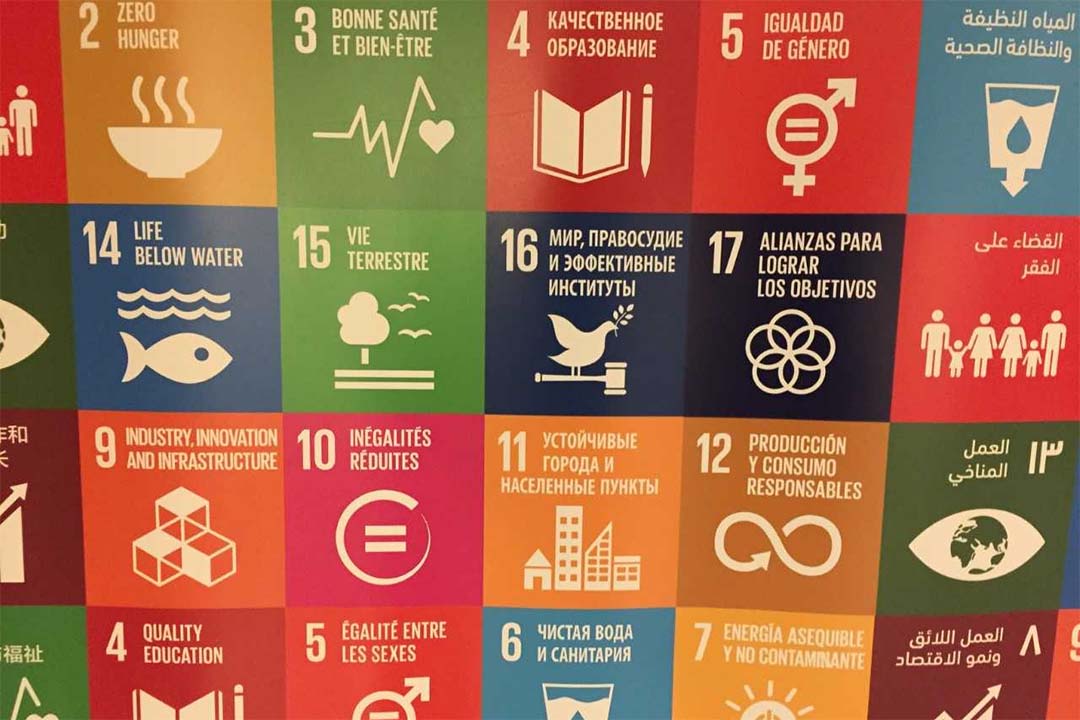
The UN 2030 agenda is ambitious yet crucial, addressing a wide range of pressing issues such as poverty, inequality, climate change, environmental degradation, peace and justice. Through 17 interconnected goals, the SDGs aim to transform our world by ensuring that no one is left behind and that our planet can thrive for generations to come.
One of the key principles of the UN 2030 agenda is inclusivity. By involving governments, businesses, civil society organisations and individuals in the implementation of the SDGs, the UN recognises that collective action is essential for achieving sustainable development. Collaboration and partnership are at the heart of this global effort.
At its core, UN 2030 represents a call to action for all stakeholders to work together towards a more sustainable and equitable future. It requires bold decisions, innovative solutions and a commitment to leaving behind a positive legacy for future generations.
As we approach the year 2030, it is essential that we accelerate our efforts to meet the targets set out in the SDGs. While progress has been made in some areas, there is still much work to be done. By staying true to the principles of sustainability and inclusivity, we can build a better world for all by UN 2030.
Understanding UN 2030: Key Questions and Insights on the Sustainable Development Goals
- What is UN 2030?
- What are the Sustainable Development Goals (SDGs) for UN 2030?
- Why is UN 2030 important?
- How can countries contribute to achieving the goals of UN 2030?
- What progress has been made towards the targets of UN 2030?
- How does UN 2030 address global challenges such as climate change and poverty?
- What role do businesses and individuals play in supporting UN 2030?
What is UN 2030?
UN 2030 refers to the United Nations’ Sustainable Development Goals (SDGs) that were adopted in 2015 with a target year of 2030. This global agenda comprises 17 interconnected goals aimed at addressing various challenges such as poverty, inequality, climate change, environmental degradation, peace and justice. UN 2030 represents a shared vision for a sustainable future, emphasising inclusivity and collective action to ensure that no one is left behind. It serves as a call to action for governments, businesses, civil society organisations and individuals to work together towards achieving a more equitable and thriving world by the year 2030.
What are the Sustainable Development Goals (SDGs) for UN 2030?
The Sustainable Development Goals (SDGs) for UN 2030 represent a comprehensive set of targets and objectives established by the United Nations to address global challenges and promote sustainable development. Consisting of 17 interconnected goals, the SDGs cover a wide range of critical issues such as poverty eradication, quality education, gender equality, climate action, and more. These goals serve as a roadmap for countries and stakeholders worldwide to work collaboratively towards building a more inclusive, equitable, and environmentally sustainable future by the year 2030.
Why is UN 2030 important?
The significance of UN 2030 lies in its overarching importance as a global framework for sustainable development. The United Nations’ 2030 agenda addresses a wide array of critical issues facing our world today, including poverty, inequality, climate change, and environmental degradation. By setting clear goals and targets for progress, UN 2030 provides a roadmap for countries and stakeholders to work together towards a more sustainable and equitable future. It emphasises the need for collective action, inclusivity, and innovation to ensure that no one is left behind and that our planet can thrive for generations to come. UN 2030 serves as a crucial guidepost for shaping policies, initiatives, and investments that will have a lasting impact on people’s lives and the health of our planet.
How can countries contribute to achieving the goals of UN 2030?
Countries can contribute to achieving the goals of UN 2030 by prioritising sustainable development in their policies and practices. This includes aligning national strategies with the targets set out in the Sustainable Development Goals (SDGs), investing in key areas such as education, healthcare, renewable energy, and infrastructure, and fostering partnerships with other nations, civil society organisations, and the private sector. By integrating the principles of sustainability, equality, and inclusivity into their decision-making processes, countries can make significant strides towards realising the vision of a more prosperous and equitable world by 2030.
What progress has been made towards the targets of UN 2030?
As the world approaches the target year of 2030 set by the United Nations for achieving the Sustainable Development Goals (SDGs), there is growing interest in assessing the progress made towards these ambitious targets. Various reports and studies indicate that while some advancements have been achieved in certain areas, there are still significant challenges to overcome. Efforts to eradicate poverty, promote gender equality, combat climate change, and ensure access to quality education and healthcare have shown varying degrees of success across different regions and sectors. It is evident that a concerted and sustained global effort is needed to accelerate progress towards the UN 2030 goals and address the complex interconnections between social, economic, and environmental issues on a worldwide scale.
How does UN 2030 address global challenges such as climate change and poverty?
The UN 2030 agenda tackles global challenges like climate change and poverty through its Sustainable Development Goals (SDGs). Specifically, SDG 13 focuses on climate action, calling for urgent measures to combat climate change and its impacts. This includes raising awareness, implementing policies to reduce greenhouse gas emissions, and promoting sustainable practices. On the other hand, SDG 1 aims to end poverty in all its forms by addressing the root causes of poverty, promoting social protection systems, and ensuring equal access to resources and opportunities for all individuals. By integrating these goals into a comprehensive framework, UN 2030 provides a roadmap for countries to address these critical issues collectively and work towards a more sustainable and equitable future.
What role do businesses and individuals play in supporting UN 2030?
Businesses and individuals play crucial roles in supporting the UN 2030 agenda for sustainable development. Businesses have the power to drive innovation, create economic opportunities, and implement sustainable practices that align with the SDGs. By integrating social and environmental considerations into their operations, businesses can contribute to poverty alleviation, climate action, and responsible consumption. Similarly, individuals have a significant impact through their daily choices and actions. By raising awareness, advocating for change, and making sustainable lifestyle choices, individuals can help advance the goals of UN 2030 and create a more equitable and environmentally conscious world for present and future generations.