The 2015 Sustainable Development Goals: A Blueprint for a Better Future
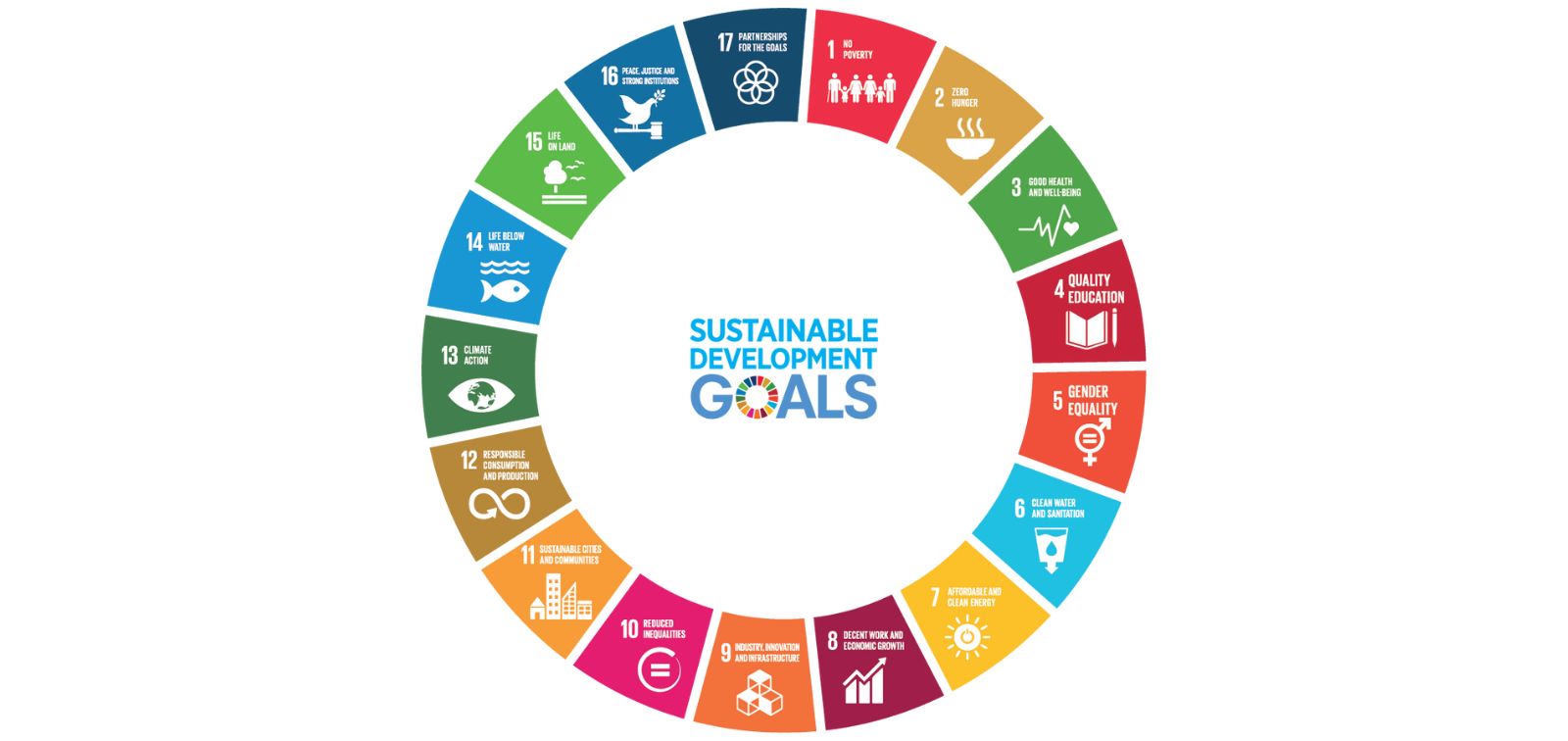
In 2015, world leaders came together at the United Nations to adopt the Sustainable Development Goals (SDGs), a set of 17 global goals designed to address pressing social, economic, and environmental challenges facing our planet. These goals build upon the success of the Millennium Development Goals and aim to achieve a more sustainable and equitable world by 2030.
The 17 Sustainable Development Goals:
- No Poverty
- Zero Hunger
- Good Health and Well-being
- Quality Education
- Gender Equality
- Clean Water and Sanitation
- Affordable and Clean Energy
- Decent Work and Economic Growth
- Industry, Innovation, and Infrastructure
- Reduced Inequality
- Sustainable Cities and Communities
- Responsible Consumption and Production
- Climate Action
- Life Below Water
- Life on Land
- Peace, Justice, and Strong Institutions
- Partnerships for the Goals
Each goal is interconnected and aims to tackle specific issues such as poverty, hunger, health, education, gender equality, climate change, biodiversity loss, peace, justice, and more. By addressing these challenges collectively, the SDGs provide a comprehensive framework for sustainable development that considers social, economic, and environmental dimensions.
The Importance of the SDGs:
The SDGs are crucial in guiding global efforts towards a more sustainable future. They encourage governments, businesses, civil society organisations, and individuals to take action in areas where it is most needed. By working towards these goals collectively, we can create a world that is more inclusive, resilient, and environmentally friendly.
Taking Action:
To achieve the SDGs by 2030 requires concerted efforts from all stakeholders. Governments need to implement policies that support sustainable development; businesses must adopt responsible practices; individuals can contribute through everyday actions such as reducing waste or supporting local communities. By working together towards common objectives outlined in the SDGs we can build a better future for generations to come.
The 2015 Sustainable Development Goals serve as a roadmap for creating a more sustainable world where no one is left behind. Let us all join hands in this collective endeavour to transform our planet into a place where prosperity is shared equitably among all its inhabitants.
Frequently Asked Questions About the 2015 UN Sustainable Development Goals
- How many UN Sustainable Development Goals of 2015 are there?
- How many sustainable development goals were there in 2015?
- What are the 8 Millennium Development Goals of 2015?
- What goals set by the UN in 2015 to be achieved by 2030 that aim at promoting development reducing poverty and protecting the planet?
- What are the 17 Sustainable Development Goals established by the United Nations in 2015?
- What are the United Nations Sustainable Development Goals 2015?
- What is UN 2030 Agenda for Sustainable Development in 2015?
- What is the UN Sustainable Development goal 2015?
How many UN Sustainable Development Goals of 2015 are there?
One frequently asked question regarding the UN 2015 Sustainable Development Goals is, “How many goals are included in the framework?” The answer is that there are a total of 17 Sustainable Development Goals adopted in 2015. These goals cover a wide range of interconnected issues, including poverty alleviation, environmental sustainability, gender equality, and peacebuilding. By addressing these 17 goals collectively, the international community aims to create a more inclusive and sustainable world by the year 2030.
How many sustainable development goals were there in 2015?
One of the frequently asked questions regarding the UN 2015 Sustainable Development Goals is, “How many sustainable development goals were there in 2015?” In 2015, world leaders adopted a total of 17 Sustainable Development Goals (SDGs) as part of a global agenda to address various social, economic, and environmental challenges. These goals encompass a wide range of issues such as poverty, health, education, gender equality, climate action, and more. By setting these 17 ambitious goals, the international community aimed to create a roadmap for sustainable development that would guide efforts towards a more equitable and prosperous future for all.
What are the 8 Millennium Development Goals of 2015?
The 8 Millennium Development Goals (MDGs) of 2015 were a set of global objectives established by the United Nations in 2000 to address key challenges such as poverty, hunger, education, gender equality, child mortality, maternal health, disease prevention, environmental sustainability, and global partnership. These goals aimed to improve the lives of people in developing countries by promoting social and economic progress. While the MDGs have now been succeeded by the Sustainable Development Goals (SDGs), their legacy continues to inspire ongoing efforts towards a more equitable and sustainable world.
What goals set by the UN in 2015 to be achieved by 2030 that aim at promoting development reducing poverty and protecting the planet?
One of the key questions frequently asked about the UN 2015 Sustainable Development Goals is focused on the specific objectives set by the United Nations to be achieved by 2030. These goals are designed to promote development, reduce poverty, and protect the planet. By addressing a wide range of social, economic, and environmental issues, the Sustainable Development Goals provide a comprehensive framework for global action towards creating a more sustainable and equitable world for present and future generations.
What are the 17 Sustainable Development Goals established by the United Nations in 2015?
The 17 Sustainable Development Goals (SDGs) established by the United Nations in 2015 serve as a comprehensive framework to address global challenges and promote sustainable development. These goals include targets such as eradicating poverty, ensuring access to quality education, promoting gender equality, combating climate change, and fostering sustainable cities and communities. Each goal is interconnected and aims to create a more inclusive, equitable, and environmentally conscious world by 2030. By working towards these goals collectively, we can make significant strides towards building a better future for all.
What are the United Nations Sustainable Development Goals 2015?
The United Nations Sustainable Development Goals 2015, also known as the SDGs, are a set of 17 global goals adopted by world leaders in 2015 to address various social, economic, and environmental challenges facing our planet. These goals serve as a blueprint for achieving a more sustainable and equitable world by 2030. They cover a wide range of issues such as poverty, hunger, health, education, gender equality, climate change, and more. By working towards these goals collectively, countries and stakeholders aim to create a better future for all while preserving the planet for future generations.
What is UN 2030 Agenda for Sustainable Development in 2015?
The UN 2030 Agenda for Sustainable Development, adopted in 2015, is a comprehensive global framework comprising 17 Sustainable Development Goals (SDGs) aimed at addressing various social, economic, and environmental challenges worldwide. This agenda serves as a roadmap for countries and stakeholders to work together towards achieving a more sustainable and equitable future by the year 2030. Each goal within the agenda targets specific areas such as poverty alleviation, gender equality, climate action, and sustainable cities, emphasising the interconnectedness of these issues and the need for collective action to build a better world for all.
What is the UN Sustainable Development goal 2015?
The UN Sustainable Development Goal 2015, also known as SDG 2015, is part of a broader framework established by the United Nations in 2015 to address global challenges and promote sustainable development. This specific goal focuses on ensuring inclusive and equitable quality education for all, aiming to provide lifelong learning opportunities for people of all ages. By prioritising education, SDG 2015 seeks to empower individuals, reduce inequalities, and foster economic growth and societal progress. It highlights the importance of education as a fundamental human right and a key driver for achieving sustainable development goals across various sectors.