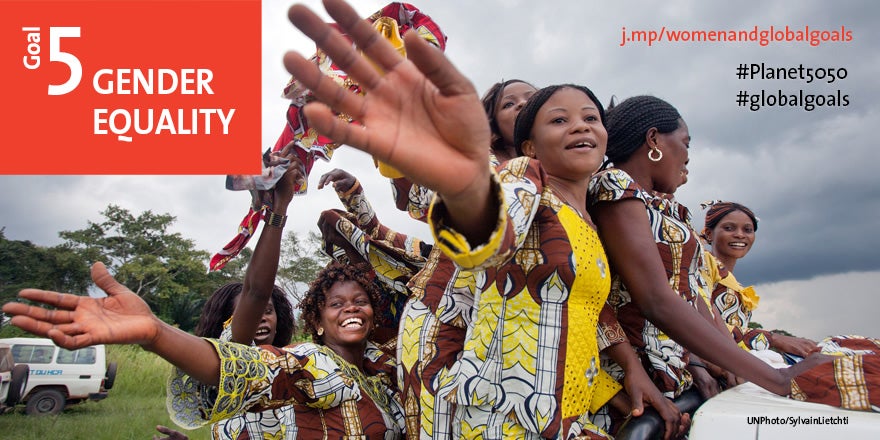
The Importance of SDG 5: Gender Equality
Gender equality is a fundamental human right and a necessary foundation for a peaceful, prosperous, and sustainable world. Sustainable Development Goal 5 (SDG 5) aims to achieve gender equality and empower all women and girls by addressing the various forms of discrimination and violence they face in society.
One of the key aspects of SDG 5 is ensuring equal access to education, healthcare, economic opportunities, and political participation for women and girls. By promoting gender equality, we can unlock the full potential of half of the world’s population and create a more inclusive society where everyone has the opportunity to thrive.
Gender equality is not just a women’s issue; it is a human rights issue that affects us all. When women are empowered and given equal opportunities, they can contribute to economic growth, social cohesion, and sustainable development. By closing the gender gap in areas such as education and employment, we can build a more resilient and equitable society for future generations.
Despite progress being made in recent years, there is still much work to be done to achieve true gender equality. This requires challenging harmful stereotypes, promoting positive role models, advocating for equal pay, combating gender-based violence, and ensuring that laws and policies protect the rights of women and girls.
As individuals, communities, businesses, governments, and organisations around the world come together to support SDG 5, we can create a more just and equal world where everyone has the opportunity to fulfil their potential regardless of their gender. Gender equality is not only a goal in itself but also a catalyst for achieving all the other Sustainable Development Goals.
Let us continue to work towards a future where gender equality is not just an aspiration but a reality for all.
Advancing Gender Equality: Six Benefits of Achieving SDG 5
- Promotes equal access to education for all genders, leading to a more educated and skilled workforce.
- Reduces gender-based violence and discrimination, creating safer and more inclusive communities.
- Empowers women economically, contributing to poverty reduction and economic growth.
- Increases female representation in leadership positions, leading to diverse perspectives and better decision-making.
- Improves health outcomes by addressing gender disparities in healthcare access and treatment.
- Fosters a more equitable society where individuals are valued based on their abilities rather than their gender.
Challenges to Achieving SDG 5: Overcoming Resistance, Enforcement Gaps, and Economic Disparities
Promotes equal access to education for all genders, leading to a more educated and skilled workforce.
Promoting gender equality through SDG 5 ensures equal access to education for all genders, which in turn leads to a more educated and skilled workforce. By breaking down barriers and providing opportunities for both men and women to receive quality education, societies can benefit from a diverse pool of talent and expertise. A more educated workforce not only contributes to economic growth but also fosters innovation, creativity, and social progress. When individuals of all genders have the chance to learn and develop their skills, the entire community reaps the rewards of a more knowledgeable and empowered society.
Reduces gender-based violence and discrimination, creating safer and more inclusive communities.
By promoting gender equality through Sustainable Development Goal 5, we can significantly reduce gender-based violence and discrimination, leading to the creation of safer and more inclusive communities. When women and girls are empowered and given equal opportunities, they are less vulnerable to violence and abuse. By challenging harmful stereotypes and promoting respect for all genders, we can foster a culture of inclusivity and mutual respect. This not only benefits individuals directly but also contributes to building stronger, more cohesive communities where everyone can feel safe and valued.
Empowers women economically, contributing to poverty reduction and economic growth.
Empowering women economically through the implementation of Sustainable Development Goal 5, gender equality, plays a crucial role in reducing poverty and fostering economic growth. By providing women with equal access to economic opportunities, resources, and education, we can unlock their potential as active contributors to the economy. When women thrive economically, households benefit from increased financial stability, children have better access to education and healthcare, and communities experience overall prosperity. Investing in gender equality not only uplifts individual women but also has a ripple effect that leads to sustainable development and a more inclusive society for all.
Increases female representation in leadership positions, leading to diverse perspectives and better decision-making.
Gender equality, as promoted by Sustainable Development Goal 5, plays a crucial role in increasing female representation in leadership positions. By ensuring that women have equal opportunities to hold positions of power and influence, we can tap into a diverse range of perspectives and experiences. This diversity in leadership leads to more well-rounded decision-making processes that take into account a broader spectrum of viewpoints, ultimately resulting in more effective and inclusive outcomes for society as a whole.
Improves health outcomes by addressing gender disparities in healthcare access and treatment.
Gender equality, as promoted by Sustainable Development Goal 5, plays a crucial role in improving health outcomes by addressing gender disparities in healthcare access and treatment. By ensuring equal access to healthcare services for all genders and tackling discriminatory practices in treatment, SDG 5 contributes to a healthier and more equitable society. When everyone has fair and unbiased access to healthcare, regardless of their gender, it leads to better health outcomes for individuals and communities as a whole. This proactive approach not only enhances the quality of healthcare but also promotes overall well-being and social progress.
Fosters a more equitable society where individuals are valued based on their abilities rather than their gender.
Gender equality, as promoted by SDG 5, fosters a more equitable society where individuals are valued based on their abilities rather than their gender. By breaking down traditional gender roles and biases, gender equality ensures that everyone has the opportunity to contribute to society based on their skills and talents, rather than being limited by stereotypes or discrimination. This creates a more inclusive and fair environment where individuals can thrive and reach their full potential without being held back by arbitrary gender norms.
Resistance to change
Some individuals and societies may resist efforts towards gender equality due to deep-rooted cultural norms and traditional beliefs. This resistance to change poses a significant challenge in achieving Sustainable Development Goal 5. Deep-seated attitudes and societal expectations can hinder progress towards gender equality by perpetuating discrimination and limiting opportunities for women and girls. Overcoming this con requires addressing the underlying cultural barriers through education, advocacy, and promoting positive role models to shift mindsets towards a more inclusive and equal society.
Lack of enforcement
In some regions, a significant con of Sustainable Development Goal 5, which focuses on gender equality, is the lack of enforcement when it comes to implementing laws and regulations that promote gender equality. While there has been progress in policy-making efforts, the failure to effectively enforce these measures can impede real advancements towards achieving gender equality. Without stringent enforcement mechanisms in place, the impact of policies aimed at empowering women and girls may be diminished, highlighting the critical need for consistent and robust enforcement strategies to drive meaningful progress in this important area.
Economic disparities
Gender inequality can exacerbate economic disparities, as women frequently encounter obstacles in accessing equitable opportunities for employment, entrepreneurship, and financial autonomy. The systemic barriers and discriminatory practices that limit women’s participation in the workforce and hinder their ability to achieve economic independence perpetuate a cycle of inequality that hampers overall economic growth and development. Addressing these challenges is crucial in advancing gender equality and fostering a more inclusive and prosperous society for all.