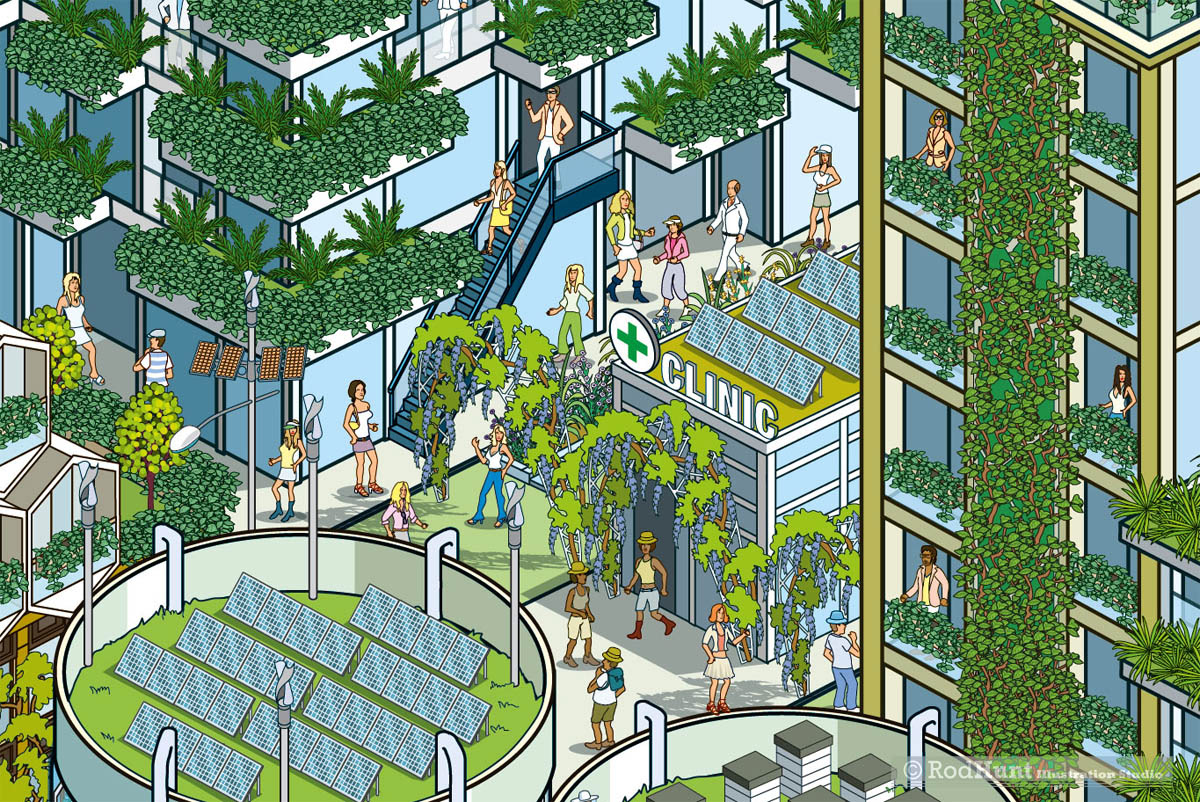
The Green City of the Future
In the not-so-distant future, our cities are set to undergo a remarkable transformation towards sustainability and environmental consciousness. The concept of a green city is no longer just a distant dream but a tangible vision that urban planners and communities are actively working towards.
Key Features of a Green City
A green city of the future will be characterised by its emphasis on renewable energy sources, efficient public transportation systems, green spaces, and sustainable infrastructure. Buildings will be designed with energy efficiency in mind, incorporating features such as solar panels, green roofs, and smart technologies to minimise their environmental impact.
Promoting Biodiversity
One of the key aspects of a green city is its commitment to preserving and promoting biodiversity. Urban areas will be transformed into havens for wildlife, with green corridors connecting parks and natural habitats to create a network that supports various species. Rooftop gardens and vertical forests will not only beautify the cityscape but also provide essential habitats for birds, insects, and plants.
Sustainable Transportation
Green cities will prioritise sustainable modes of transportation such as cycling lanes, pedestrian-friendly streets, electric buses, and car-sharing schemes. The reliance on private cars will diminish as people opt for greener alternatives that reduce traffic congestion and air pollution. Integrated transport systems will make it easy for residents to move around the city efficiently while minimising their carbon footprint.
Community Engagement
Building a green city requires active participation from its residents. Community engagement programmes will empower citizens to take ownership of their environment through initiatives such as urban gardening projects, recycling drives, and educational campaigns on sustainability. By fostering a sense of collective responsibility, cities can create a culture of environmental stewardship that benefits both present and future generations.
The Path Forward
As we look ahead to the future, it is clear that the transition towards greener cities is not just desirable but imperative for our planet’s well-being. By embracing innovation, collaboration, and sustainable practices, we can pave the way for a brighter tomorrow where cities thrive in harmony with nature. The green city of the future is within reach – all it takes is our collective dedication to make it a reality.
Five Strategies for Building a Greener City of the Future
- Promote sustainable transportation such as cycling and walking
- Increase green spaces like parks and community gardens
- Implement renewable energy sources like solar panels and wind turbines
- Encourage recycling and waste reduction practices
- Create eco-friendly buildings with green roofs and efficient insulation
Promote sustainable transportation such as cycling and walking
Promoting sustainable transportation modes like cycling and walking is a crucial step towards building a greener city of the future. By encouraging residents to choose these eco-friendly options, cities can reduce carbon emissions, alleviate traffic congestion, and improve air quality. Cycling and walking not only promote physical health but also foster a stronger sense of community as people interact with their surroundings at a human pace. Embracing these sustainable modes of transportation will not only transform urban mobility but also contribute to creating more liveable and environmentally conscious cities for generations to come.
Increase green spaces like parks and community gardens
In envisioning the green city of the future, a crucial tip is to increase the presence of green spaces such as parks and community gardens. By expanding these areas, cities can enhance biodiversity, improve air quality, and provide residents with vital spaces for relaxation and recreation. Green spaces not only contribute to the overall aesthetic appeal of a city but also play a significant role in promoting physical and mental well-being among urban dwellers. Embracing this tip will not only make cities more sustainable but also create healthier and more vibrant environments for everyone to enjoy.
Implement renewable energy sources like solar panels and wind turbines
In envisioning the green city of the future, a crucial tip is to incorporate renewable energy sources such as solar panels and wind turbines into the urban landscape. By harnessing the power of sunlight and wind, cities can significantly reduce their reliance on fossil fuels and decrease carbon emissions. Implementing these sustainable technologies not only promotes energy efficiency but also contributes to a cleaner and greener environment for generations to come. Embracing renewable energy sources is a key step towards creating a more sustainable and resilient cityscape that prioritises environmental responsibility and long-term sustainability.
Encourage recycling and waste reduction practices
Encouraging recycling and waste reduction practices is a crucial step towards building a sustainable and green city of the future. By promoting recycling initiatives and implementing effective waste management strategies, cities can significantly reduce their environmental footprint and move towards a more circular economy. Encouraging residents to segregate waste, compost organic materials, and participate in recycling programmes not only diverts waste from landfills but also conserves valuable resources and minimises pollution. Through collective efforts to reduce, reuse, and recycle, cities can create a cleaner, healthier environment for all inhabitants while contributing to the long-term sustainability of our planet.
Create eco-friendly buildings with green roofs and efficient insulation
In the vision of a green city in the future, a key tip is to focus on creating eco-friendly buildings that incorporate green roofs and efficient insulation. By integrating green roofs, buildings can reduce heat absorption, improve air quality, and provide habitats for wildlife. Efficient insulation not only enhances energy efficiency but also reduces heating and cooling costs while minimising carbon emissions. These sustainable building practices not only contribute to a healthier urban environment but also showcase a commitment to environmental stewardship for future generations.