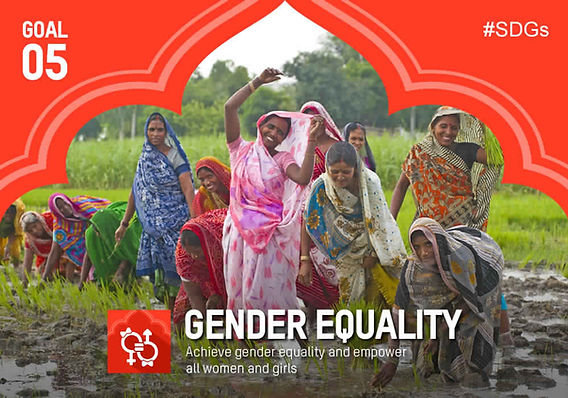
The Role of Gender Equality in Achieving Sustainable Development Goals
Gender equality is not only a fundamental human right but a necessary foundation for a peaceful, prosperous, and sustainable world. The United Nations has recognised this by including gender equality as one of the 17 Sustainable Development Goals (SDGs) to be achieved by 2030.
Ensuring equal rights and opportunities for all genders is crucial for achieving sustainable development across various sectors. When women and men have equal access to education, healthcare, employment, and decision-making positions, societies thrive and progress.
Empowering women and girls is not just a moral imperative but also an economic one. Studies have shown that closing the gender gap in the workforce could significantly boost global GDP. By providing women with equal opportunities to participate in the economy, we can unlock their full potential and drive innovation and growth.
Gender equality is also closely linked to environmental sustainability. Women play a vital role in natural resource management and conservation efforts. When women are involved in decision-making processes related to environmental issues, policies are more likely to be effective and sustainable in the long term.
Addressing gender inequalities requires a multi-faceted approach that involves governments, civil society organisations, businesses, and individuals working together towards a common goal. By promoting gender equality at all levels of society, we can create a more just and equitable world for future generations.
As we strive to achieve the Sustainable Development Goals by 2030, it is imperative that we place gender equality at the forefront of our efforts. By empowering women and girls, we can build a more inclusive, resilient, and sustainable world for all.
8 Essential Tips to Advance Gender Equality in Sustainable Development
- Promote equal access to education for all genders.
- Support women’s participation in leadership roles.
- Encourage equal pay for equal work.
- Challenge gender stereotypes and biases.
- Advocate for policies that protect against gender-based violence.
- Ensure access to healthcare and reproductive rights for all genders.
- Foster an inclusive environment in workplaces and communities.
- Raise awareness about the importance of gender equality in sustainable development.
Promote equal access to education for all genders.
Promoting equal access to education for all genders is a crucial step towards achieving gender equality and the Sustainable Development Goals. By ensuring that both girls and boys have the same opportunities to learn and develop their skills, we create a more inclusive and equitable society. Education empowers individuals to reach their full potential, contributes to economic growth, and fosters a culture of respect and understanding. Investing in education for all genders not only benefits individuals but also strengthens communities and paves the way for a more sustainable future.
Support women’s participation in leadership roles.
Supporting women’s participation in leadership roles is a crucial step towards achieving gender equality and advancing sustainable development goals. When women are given the opportunity to lead, they bring diverse perspectives, innovative solutions, and a collaborative approach to decision-making processes. By breaking down barriers and promoting equal representation in leadership positions, we not only empower individual women but also create more inclusive and effective governance structures. Encouraging and enabling women to take on leadership roles is key to building a more equitable society where everyone has the chance to contribute their skills and expertise towards a better future for all.
Encourage equal pay for equal work.
Encouraging equal pay for equal work is a crucial step towards achieving gender equality and advancing sustainable development goals. By ensuring that individuals are compensated fairly regardless of their gender, we promote a more inclusive and equitable society. Closing the gender pay gap not only benefits women by providing them with economic independence and security but also contributes to overall economic growth and productivity. Fair wages for all workers, regardless of gender, are essential in creating a more just and prosperous world where everyone has the opportunity to thrive and contribute meaningfully to society.
Challenge gender stereotypes and biases.
Challenging gender stereotypes and biases is a crucial step towards achieving gender equality and advancing sustainable development goals. By questioning and breaking down societal norms that limit individuals based on their gender, we can create a more inclusive and equitable society. Embracing diversity and promoting equal opportunities for all genders not only fosters a more just environment but also paves the way for innovation and progress. It is essential to encourage open dialogue, education, and awareness to dismantle harmful stereotypes and biases that hinder the full potential of individuals regardless of their gender.
Advocate for policies that protect against gender-based violence.
Advocating for policies that protect against gender-based violence is a crucial step towards achieving gender equality and advancing the Sustainable Development Goals. By implementing and enforcing laws that address and prevent gender-based violence, societies can create safer environments for all individuals, particularly women and girls who are disproportionately affected by such violence. These policies not only help to uphold human rights but also foster a culture of respect, dignity, and equality. It is essential to advocate for comprehensive measures that promote zero tolerance for gender-based violence and ensure that survivors have access to support services and justice.
Ensure access to healthcare and reproductive rights for all genders.
Ensuring universal access to healthcare and reproductive rights for all genders is a crucial step towards achieving gender equality and the Sustainable Development Goals. By guaranteeing comprehensive healthcare services, including reproductive health services, individuals can make informed choices about their bodies and well-being. Access to healthcare empowers individuals to lead healthy lives, plan their families, and contribute to sustainable development. It is essential to remove barriers and discrimination in healthcare systems to ensure that everyone, regardless of gender, has the right to quality care and reproductive autonomy.
Foster an inclusive environment in workplaces and communities.
Fostering an inclusive environment in workplaces and communities is a crucial step towards achieving gender equality and sustainable development goals. By creating spaces where all individuals, regardless of gender, feel valued, respected, and empowered to contribute their unique perspectives and skills, we can drive innovation, productivity, and social cohesion. Embracing diversity and promoting equal opportunities for men and women not only benefits individuals but also strengthens the fabric of our society as a whole. When workplaces and communities prioritise inclusivity, they become catalysts for positive change, setting the stage for a more equitable and sustainable future for everyone.
Raise awareness about the importance of gender equality in sustainable development.
Raising awareness about the significance of gender equality in sustainable development is a crucial step towards achieving a more inclusive and equitable society. By educating individuals and communities about the impact of gender disparities on economic, social, and environmental progress, we can foster a culture of empowerment and collaboration. Through increased awareness, we can inspire action and advocacy that will drive positive change towards achieving the Sustainable Development Goals by promoting equal opportunities for all genders to thrive and contribute to a more sustainable future.