The Meaning of Economic Sustainability
Economic sustainability is a concept that refers to the ability of an economy to support a defined level of economic production indefinitely. It involves managing available resources in a way that ensures their long-term viability and prevents depletion or degradation.
At its core, economic sustainability seeks to balance economic growth with environmental protection and social equity. This means that economic activities should not compromise the ability of future generations to meet their own needs.
Key Principles of Economic Sustainability:
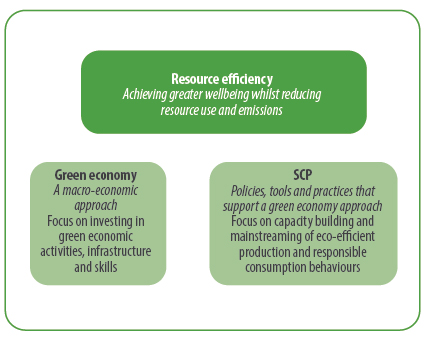
- Resource Efficiency: Using resources in a way that minimises waste and maximises their value. This includes promoting recycling, reducing energy consumption, and adopting sustainable practices.
- Long-Term Planning: Considering the impact of present decisions on future generations and ensuring that economic activities are carried out in a way that does not deplete resources or harm the environment.
- Social Responsibility: Ensuring that economic development benefits all members of society, including vulnerable populations, and promoting fair wages, safe working conditions, and access to essential services.
- Innovation: Encouraging the development of new technologies and business models that drive sustainable growth and reduce environmental impact.
Benefits of Economic Sustainability:
Economic sustainability offers numerous benefits both in the short and long term. By promoting responsible resource management, it helps reduce waste, improve efficiency, and lower costs for businesses. It also enhances resilience against economic shocks and natural disasters by diversifying revenue streams and reducing dependency on finite resources.
Furthermore, economic sustainability fosters innovation and creativity by incentivising businesses to develop sustainable solutions to complex challenges. It also contributes to improved quality of life for communities by creating job opportunities, supporting local economies, and preserving natural habitats.
Conclusion
Economic sustainability is not just a buzzword; it is a critical principle that underpins the long-term prosperity of societies worldwide. By embracing sustainable practices in our economic activities, we can build a more resilient economy that meets the needs of current generations without compromising the ability of future generations to thrive.
Understanding Economic Sustainability: Importance, Examples, and Principles
- Why is economic sustainability important?
- What is economic sustainability example?
- What is economic sustainability class 10?
- What is an example of economic sustainability?
- What are the economic principles of sustainability?
Why is economic sustainability important?
The importance of economic sustainability lies in its ability to ensure the long-term viability of an economy while safeguarding the well-being of current and future generations. By promoting responsible resource management, sustainable practices help mitigate environmental degradation, reduce waste, and enhance efficiency in economic activities. Economic sustainability also fosters innovation and resilience, enabling businesses to adapt to changing market conditions and minimise risks associated with resource depletion or environmental damage. Moreover, by prioritising social equity and inclusive growth, economic sustainability contributes to a more equitable distribution of resources and opportunities within society. Overall, economic sustainability plays a crucial role in creating a stable, prosperous, and environmentally conscious economy that can thrive for years to come.
What is economic sustainability example?
An example of economic sustainability can be seen in the renewable energy sector. By investing in and promoting the use of renewable energy sources such as solar, wind, and hydroelectric power, countries are not only reducing their reliance on finite fossil fuels but also creating a more sustainable energy system for the future. This shift towards renewable energy not only helps to mitigate climate change but also creates new job opportunities, stimulates economic growth, and reduces environmental impact, showcasing how economic sustainability can be achieved through innovative and forward-thinking initiatives.
What is economic sustainability class 10?
Economic sustainability, as defined in a class 10 context, refers to the ability of an economy to maintain stable growth and development over time without depleting its resources or causing harm to the environment. In simpler terms, it involves making choices and decisions that ensure long-term economic prosperity while also considering the social and environmental impacts of economic activities. By introducing students to the concept of economic sustainability at a young age, class 10 education aims to foster an understanding of the importance of responsible resource management and ethical business practices in creating a more sustainable future for all.
What is an example of economic sustainability?
An example of economic sustainability can be seen in the shift towards renewable energy sources such as solar and wind power. By investing in clean energy technologies, countries can reduce their reliance on finite fossil fuels, lower greenhouse gas emissions, and create new job opportunities in the green economy. This transition not only promotes environmental sustainability but also contributes to long-term economic growth by fostering innovation, reducing energy costs, and enhancing energy security. Ultimately, embracing renewable energy is a prime example of how economic sustainability can be achieved through forward-thinking policies and investments that benefit both present and future generations.
What are the economic principles of sustainability?
The economic principles of sustainability encompass a set of fundamental guidelines that aim to ensure long-term prosperity while safeguarding the environment and promoting social equity. These principles include resource efficiency, which involves using resources wisely to minimise waste and maximise value; long-term planning, which considers the impact of present decisions on future generations and aims to prevent resource depletion; social responsibility, which entails ensuring that economic development benefits all members of society and upholds fair labour practices; and innovation, which encourages the adoption of new technologies and business models that support sustainable growth and reduce environmental harm. By adhering to these economic principles, societies can foster a more resilient economy that balances economic progress with environmental preservation and social well-being.