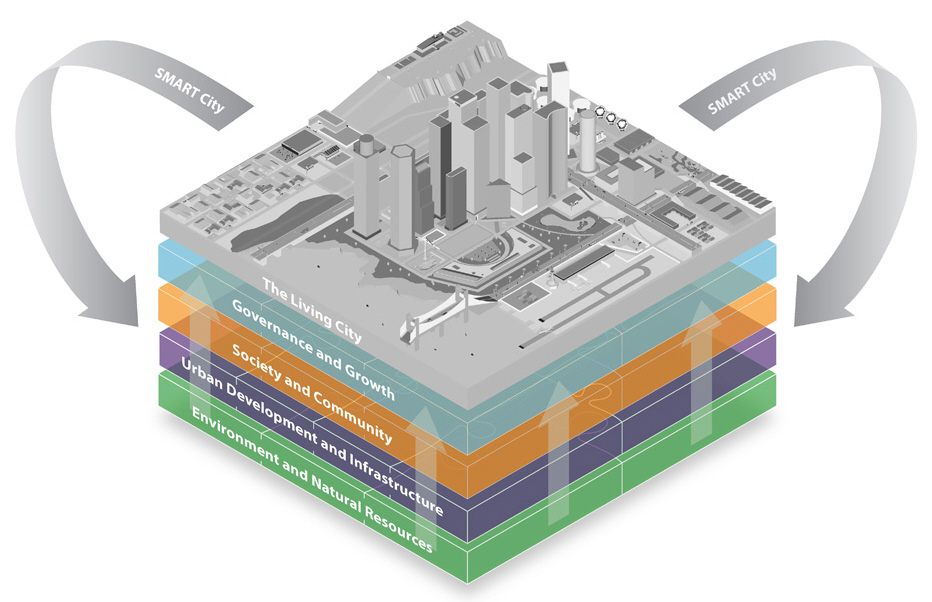
The Importance of Robust City Infrastructure
As urban populations continue to grow, the importance of robust city infrastructure becomes increasingly vital. Cities are the epicentres of economic activity, cultural exchange, and technological innovation. To support these functions effectively, cities require well-planned and maintained infrastructure.
Understanding City Infrastructure
City infrastructure encompasses a wide range of facilities and systems that support the daily functioning of urban life. This includes transportation networks, water supply systems, energy grids, waste management facilities, and communication networks. Each component plays a crucial role in ensuring that cities operate smoothly and efficiently.
The Role of Transportation Networks
Transportation is one of the most visible aspects of city infrastructure. Efficient public transport systems reduce congestion, lower emissions, and provide accessible mobility for all citizens. Investments in cycling lanes and pedestrian pathways further enhance connectivity while promoting healthier lifestyles.
Water Supply and Waste Management
A reliable water supply system is fundamental to any city’s infrastructure. It ensures that residents have access to clean drinking water and supports sanitation services. Equally important is an effective waste management system that minimises environmental impact through recycling initiatives and sustainable disposal methods.
Energy Grids for Sustainable Cities
Modern cities rely heavily on energy grids to power homes, businesses, and public services. Transitioning to renewable energy sources such as solar or wind can significantly reduce a city’s carbon footprint while ensuring a stable energy supply for future generations.
The Digital Backbone: Communication Networks
In today’s digital age, communication networks form the backbone of urban infrastructure. High-speed internet access facilitates economic growth by enabling businesses to operate efficiently while providing residents with access to information and services at their fingertips.
The Challenges Ahead
Cities face numerous challenges in maintaining and upgrading their infrastructure. Ageing facilities often require significant investment for repairs or replacement. Additionally, rapid urbanisation can strain existing systems beyond capacity if growth is not carefully managed.
The Path Forward
To overcome these challenges, cities must adopt innovative approaches that incorporate smart technologies into their infrastructure planning processes. By leveraging data analytics and IoT devices, cities can optimise resource allocation while improving service delivery across all sectors.
A collaborative approach involving government bodies, private sector partners, community organisations will be essential in creating resilient infrastructures capable of supporting thriving urban environments well into the future.
9 Essential Tips for Enhancing Urban Infrastructure in Cities
- Invest in reliable public transportation systems.
- Implement smart city technologies for efficient resource management.
- Prioritize sustainable and eco-friendly infrastructure projects.
- Promote pedestrian and cyclist-friendly urban planning.
- Ensure proper waste management and recycling facilities.
- Build resilient infrastructure to withstand natural disasters.
- Create green spaces and parks for recreational purposes.
- Upgrade digital connectivity and broadband networks.
- Engage with citizens to gather feedback for continuous improvement.
Invest in reliable public transportation systems.
Investing in reliable public transportation systems is a key strategy for enhancing city infrastructure. A well-planned and efficient public transport network not only reduces traffic congestion and air pollution but also promotes social inclusion by providing affordable and accessible mobility options for all residents. By prioritising investments in public transportation, cities can improve overall quality of life, boost economic productivity, and create more sustainable urban environments for future generations to thrive in.
Implement smart city technologies for efficient resource management.
Implementing smart city technologies is a crucial step towards efficient resource management in urban environments. By integrating IoT devices, data analytics, and automation systems, cities can optimise the use of resources such as energy, water, and transportation. Smart technologies enable real-time monitoring and analysis, allowing for proactive decision-making to minimise waste and enhance sustainability. This approach not only improves operational efficiency but also contributes to creating more resilient and liveable cities for residents and future generations.
Prioritize sustainable and eco-friendly infrastructure projects.
It is crucial for cities to prioritise sustainable and eco-friendly infrastructure projects in order to build resilient urban environments for the future. By focusing on initiatives that minimise environmental impact and promote long-term sustainability, cities can reduce carbon emissions, conserve resources, and enhance overall quality of life for residents. Investing in green infrastructure such as renewable energy systems, green spaces, and sustainable transportation options not only benefits the environment but also contributes to creating healthier and more liveable cities for generations to come.
Promote pedestrian and cyclist-friendly urban planning.
Promoting pedestrian and cyclist-friendly urban planning is a crucial tip for enhancing city infrastructure. By prioritising the needs of pedestrians and cyclists, cities can create safer, more sustainable, and vibrant urban environments. Implementing dedicated cycling lanes, pedestrian pathways, and green spaces not only encourages active modes of transportation but also improves air quality and reduces traffic congestion. Such initiatives not only promote physical well-being but also foster a sense of community and connectivity among residents. Embracing pedestrian and cyclist-friendly urban planning can lead to healthier, more liveable cities for all.
Ensure proper waste management and recycling facilities.
Proper waste management and recycling facilities are essential components of a city’s infrastructure. By investing in efficient waste disposal systems and promoting recycling initiatives, cities can significantly reduce their environmental impact and promote sustainability. Effective waste management not only helps in keeping urban areas clean and hygienic but also contributes to conserving resources and minimising landfill waste. By prioritising these facilities, cities can create a more eco-friendly environment for residents while working towards a greener future for generations to come.
Build resilient infrastructure to withstand natural disasters.
Building resilient infrastructure is essential for cities to withstand the impact of natural disasters. By incorporating robust design elements and disaster preparedness measures into infrastructure projects, cities can minimise damage and disruption caused by events such as earthquakes, floods, and hurricanes. Investing in resilient infrastructure not only protects lives and property but also ensures the continuity of essential services during times of crisis. By prioritising resilience in infrastructure development, cities can build a foundation that can withstand the challenges posed by a changing climate and unpredictable natural events.
Create green spaces and parks for recreational purposes.
Creating green spaces and parks within city infrastructure is not just about adding aesthetic value; it plays a crucial role in enhancing the quality of urban life. These recreational areas provide residents with much-needed respite from the hustle and bustle of city living, promoting physical activity, mental well-being, and community engagement. By incorporating green spaces into urban planning, cities can improve air quality, reduce heat island effects, and foster a sense of connection to nature among their residents. Investing in parks and recreational areas is an investment in the overall health and happiness of city dwellers, contributing to a more sustainable and liveable urban environment.
Upgrade digital connectivity and broadband networks.
Upgrading digital connectivity and broadband networks is a crucial step in enhancing a city’s infrastructure. By investing in high-speed internet access and robust communication networks, cities can promote economic growth, improve access to online services, and foster innovation. Reliable broadband connectivity not only benefits businesses by enabling efficient operations but also enhances the quality of life for residents through improved access to information, education, and entertainment. Embracing advancements in digital technology ensures that cities remain competitive in the global economy and are better equipped to meet the evolving needs of their citizens.
Engage with citizens to gather feedback for continuous improvement.
Engaging with citizens to gather feedback is a crucial tip for ensuring continuous improvement in city infrastructure. By actively seeking input from residents, city planners can better understand the needs and preferences of the community. This feedback loop allows for adjustments and enhancements to be made in real-time, leading to infrastructure developments that are more responsive and tailored to the actual requirements of the people who live and work in the city. Ultimately, involving citizens in the planning process fosters a sense of ownership and collaboration, making for more inclusive and sustainable urban environments.