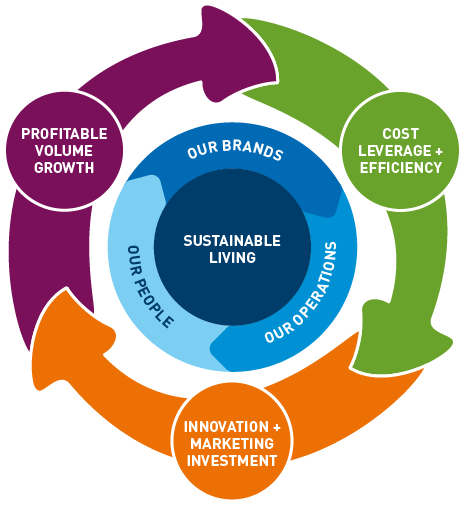
The Intersection of Business and Sustainable Development
In recent years, the concept of sustainable development has gained significant traction across various industries, with businesses playing a crucial role in driving positive change. Sustainable development refers to meeting the needs of the present without compromising the ability of future generations to meet their own needs.
Businesses have a responsibility to not only focus on profitability but also consider their impact on society and the environment. Embracing sustainable practices can lead to long-term benefits for both the company and the planet.
Benefits of Integrating Sustainability into Business Practices
By incorporating sustainability into their operations, businesses can:
- Reduce environmental impact: Implementing energy-efficient practices, reducing waste, and using renewable resources can help minimise harm to the environment.
- Enhance brand reputation: Consumers are increasingly favouring companies that demonstrate a commitment to sustainability, leading to improved brand perception and customer loyalty.
- Drive innovation: Embracing sustainability often spurs innovation as companies seek new ways to operate more efficiently and responsibly.
- Attract top talent: Employees are more likely to be attracted to companies that prioritise sustainability and social responsibility, leading to higher employee satisfaction and retention rates.
- Foster partnerships: Collaborating with other businesses, NGOs, and government agencies on sustainable initiatives can create new opportunities for growth and impact.
Challenges in Implementing Sustainable Practices
While the benefits of sustainable development are clear, businesses may face challenges in implementing these practices. Some common obstacles include:
- Cost considerations: Initial investments in sustainable technologies or processes may be perceived as costly, although they often lead to long-term savings.
- Lack of awareness or expertise: Some businesses may struggle with understanding how to integrate sustainability into their operations effectively.
- Regulatory hurdles: Compliance with environmental regulations can pose challenges for companies operating in different regions with varying requirements.
- Social impact measurement: Evaluating the social impact of business activities alongside environmental considerations can be complex but is essential for holistic sustainability reporting.
The Role of Business Leaders in Driving Sustainable Development
Business leaders have a critical role to play in championing sustainable development within their organisations. By setting clear goals, allocating resources towards sustainability initiatives, and engaging stakeholders at all levels, leaders can create a culture of responsibility that permeates throughout the company.
In conclusion, integrating sustainable development into business practices is not only beneficial for the planet but also essential for long-term business success. By embracing sustainability as a core value, businesses can contribute positively to society while securing their own future prosperity.
Exploring the Intersection of Business and Sustainable Development: Key Questions Answered
- What is the role of business in sustainable development?
- What are the 5 C’s of sustainable development?
- What are the 5 stages of sustainable business?
- What is an example of business and sustainable development?
- What is business and sustainability?
- What is the relationship between business and sustainability?
- What is business and sustainable development?
What is the role of business in sustainable development?
The role of business in sustainable development is pivotal, as companies have the power to drive positive change and contribute to a more sustainable future. Businesses play a crucial role in promoting environmental stewardship, social responsibility, and economic progress. By integrating sustainability into their core operations, businesses can reduce their environmental footprint, support local communities, and foster innovation. Through responsible practices such as resource conservation, ethical sourcing, and stakeholder engagement, businesses can not only enhance their own long-term viability but also make a significant impact on the well-being of society and the planet as a whole.
What are the 5 C’s of sustainable development?
The 5 C’s of sustainable development encapsulate key principles that guide businesses towards a more sustainable future. These include Collaboration, emphasising the importance of working together with stakeholders to achieve common goals; Conservation, focusing on the responsible use and preservation of natural resources; Community, highlighting the need to consider and benefit local communities in business practices; Commitment, stressing the dedication required to uphold sustainable initiatives over time; and Compliance, ensuring adherence to ethical standards and regulatory requirements for sustainable development efforts. By adhering to these 5 C’s, businesses can pave the way for a more environmentally conscious and socially responsible approach to growth and innovation.
What are the 5 stages of sustainable business?
The five stages of sustainable business outline a systematic approach towards integrating sustainability into business operations. The first stage involves awareness and understanding, where businesses recognise the importance of sustainability and its potential impact on their operations. This is followed by the assessment stage, where companies evaluate their current practices and identify areas for improvement in terms of environmental, social, and economic impact. The third stage is planning and goal setting, where specific sustainability goals are established to guide future actions. Implementation comes next, as businesses start to incorporate sustainable practices into their day-to-day operations. Finally, the fifth stage focuses on monitoring and evaluation, where progress towards sustainability goals is tracked and adjustments are made as needed to ensure continuous improvement and long-term success in sustainable business practices.
What is an example of business and sustainable development?
An exemplary instance of business and sustainable development is the implementation of a circular economy model by a manufacturing company. In this scenario, the company focuses on reducing waste and maximising resource efficiency throughout its production processes. By reusing materials, recycling waste, and designing products for longevity, the company not only minimises its environmental impact but also creates economic value from what would have been considered waste. This approach not only benefits the environment but also enhances the company’s reputation, fosters innovation, and contributes to long-term profitability while aligning with sustainable development goals.
What is business and sustainability?
Business and sustainability refer to the integration of environmentally and socially responsible practices into a company’s operations and strategies. It involves businesses considering the impact of their decisions not only on financial performance but also on the environment, society, and future generations. Sustainable business practices aim to balance profit-making with ethical considerations, such as reducing carbon footprint, promoting social equity, and ensuring long-term viability. By prioritising sustainability, businesses can contribute to a more sustainable world while also enhancing their own reputation, resilience, and competitiveness in the marketplace.
What is the relationship between business and sustainability?
The relationship between business and sustainability is fundamental in shaping a more responsible and resilient future. Businesses play a pivotal role in driving sustainable development by integrating environmental, social, and economic considerations into their operations. Sustainability practices not only help businesses reduce their environmental footprint but also enhance their reputation, attract customers, and foster innovation. By prioritising sustainability, businesses can create long-term value for both themselves and society, contributing to a more sustainable and prosperous world for future generations.
What is business and sustainable development?
Business and sustainable development refer to the integration of environmentally and socially responsible practices into the core operations of a business to ensure long-term viability and positive impact. It involves balancing economic growth with environmental protection and social well-being, aiming to meet present needs without compromising the ability of future generations to meet their own. By embracing sustainable development, businesses strive to create value not only for themselves but also for society and the environment, fostering a more resilient and equitable future for all stakeholders involved.