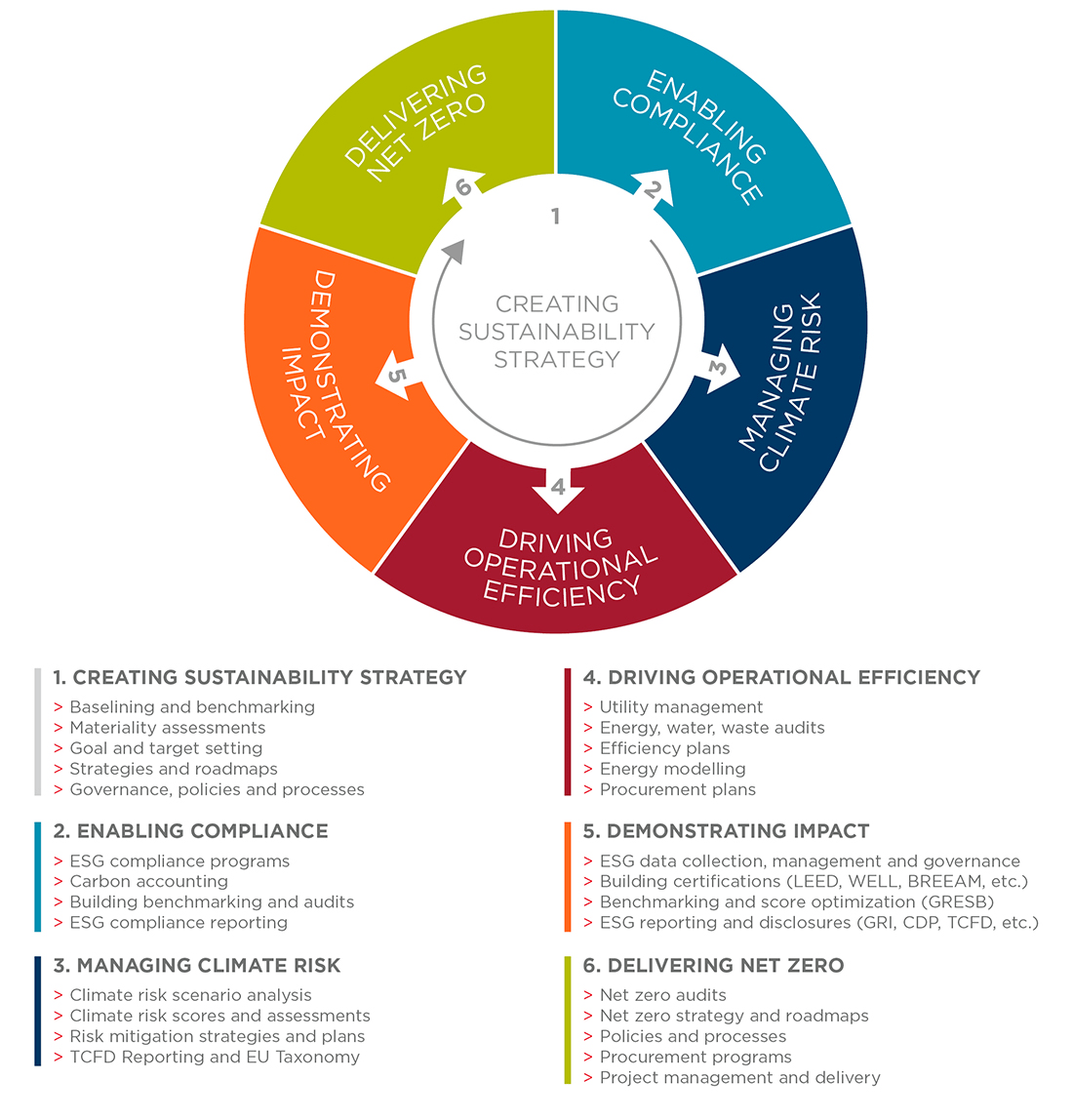
Sustainability Solutions: Building a Greener Future
In today’s rapidly changing world, the need for sustainable solutions has never been more pressing. As we face environmental challenges such as climate change, resource depletion, and pollution, it is crucial to adopt practices that promote long-term ecological balance and human well-being.
Fortunately, there are a myriad of sustainability solutions that individuals, businesses, and governments can implement to create a more sustainable future. From renewable energy sources to waste reduction strategies, here are some key initiatives driving positive change:
Renewable Energy
Transitioning from fossil fuels to renewable energy sources such as solar, wind, and hydroelectric power is essential for reducing carbon emissions and combating climate change. By harnessing the power of nature’s resources, we can generate clean energy without depleting finite resources.
Green Building Practices
Adopting green building practices in construction projects can significantly reduce the environmental impact of buildings. This includes using sustainable materials, implementing energy-efficient designs, and promoting indoor air quality for occupants. Green buildings not only lower operating costs but also contribute to a healthier environment.
Sustainable Agriculture
Sustainable agriculture focuses on producing food in ways that protect the environment, public health, and animal welfare. Practices such as organic farming, crop rotation, and water conservation help preserve natural ecosystems while ensuring food security for future generations.
Waste Reduction and Recycling
Reducing waste generation and increasing recycling rates are crucial steps towards achieving a circular economy. By minimising waste sent to landfills and promoting the reuse of materials through recycling programmes, we can conserve resources and reduce pollution levels.
Public Transportation and Active Mobility
Promoting public transportation systems and active modes of mobility such as cycling and walking can help alleviate traffic congestion and reduce greenhouse gas emissions. Investing in infrastructure that supports sustainable transport options is key to creating liveable cities with improved air quality.
By embracing these sustainability solutions and integrating them into our daily lives, we can collectively work towards building a greener future for generations to come. Let’s commit to making conscious choices that benefit both the planet and its inhabitants.
Seven Practical Tips for Embracing Sustainable Living
- Reduce, reuse, and recycle to minimise waste
- Conserve water by fixing leaks and using water-saving appliances
- Switch to energy-efficient lighting and appliances
- Support local farmers and businesses to reduce carbon footprint from transportation
- Plant trees and create green spaces to improve air quality
- Use public transport, carpool, or cycle instead of driving alone
- Educate yourself and others about sustainability practices
Reduce, reuse, and recycle to minimise waste
Reducing, reusing, and recycling are fundamental principles in sustainable waste management. By minimising waste generation through conscious consumption, finding ways to reuse items instead of discarding them, and recycling materials to give them a new life, we can significantly reduce the environmental impact of our daily activities. Embracing the “reduce, reuse, recycle” mantra not only helps conserve resources and energy but also contributes to a cleaner and healthier planet for future generations.
Conserve water by fixing leaks and using water-saving appliances
Conserving water is a critical aspect of sustainable living, and one effective way to achieve this is by addressing leaks and utilising water-saving appliances. Fixing leaks in plumbing systems can prevent the wastage of precious water resources, reducing both utility bills and environmental impact. Additionally, incorporating water-saving appliances such as low-flow faucets, showerheads, and toilets can significantly decrease water consumption without compromising daily convenience. By taking these simple yet impactful steps, individuals can contribute to a more sustainable future by conserving one of our most vital resources – water.
Switch to energy-efficient lighting and appliances
Switching to energy-efficient lighting and appliances is a simple yet impactful step towards sustainability. By opting for LED bulbs and energy-efficient appliances, individuals can significantly reduce their electricity consumption, leading to lower energy bills and a decreased environmental footprint. These small changes not only contribute to conserving resources but also play a vital role in mitigating climate change by cutting down on greenhouse gas emissions. Making the switch to energy-efficient lighting and appliances is a practical way for individuals to make a positive difference in promoting a more sustainable future.
Support local farmers and businesses to reduce carbon footprint from transportation
Supporting local farmers and businesses is a simple yet impactful sustainability solution that can significantly reduce the carbon footprint associated with transportation. By choosing locally sourced products, we can minimise the distance food and goods travel to reach us, thereby cutting down on emissions from long-haul transportation. This not only helps lower our environmental impact but also fosters a stronger sense of community and promotes the growth of local economies. Making conscious decisions to support nearby producers is a practical way to contribute towards a more sustainable future for both the environment and our communities.
Plant trees and create green spaces to improve air quality
Planting trees and creating green spaces is a simple yet powerful sustainability solution that can have a significant impact on improving air quality. Trees act as natural air purifiers, filtering out pollutants and releasing oxygen into the atmosphere. By increasing the greenery in urban areas, we not only enhance the beauty of our surroundings but also mitigate the effects of pollution, ultimately contributing to a healthier environment for all living beings.
Use public transport, carpool, or cycle instead of driving alone
To promote sustainability and reduce carbon emissions, consider opting for alternative modes of transportation such as using public transport, carpooling with others, or cycling instead of driving alone. By sharing rides or choosing eco-friendly transport options, you not only contribute to lowering traffic congestion but also help minimise your carbon footprint on the environment. Making small changes in your daily commute can have a significant positive impact on creating a more sustainable future for our planet.
Educate yourself and others about sustainability practices
Educating yourself and others about sustainability practices is a crucial step towards creating a more environmentally conscious society. By staying informed about the impact of our actions on the planet and sharing knowledge with those around us, we can inspire positive change and encourage sustainable behaviours. From simple everyday habits to larger-scale initiatives, awareness and education play a key role in fostering a culture of environmental responsibility and promoting long-term sustainability for future generations.