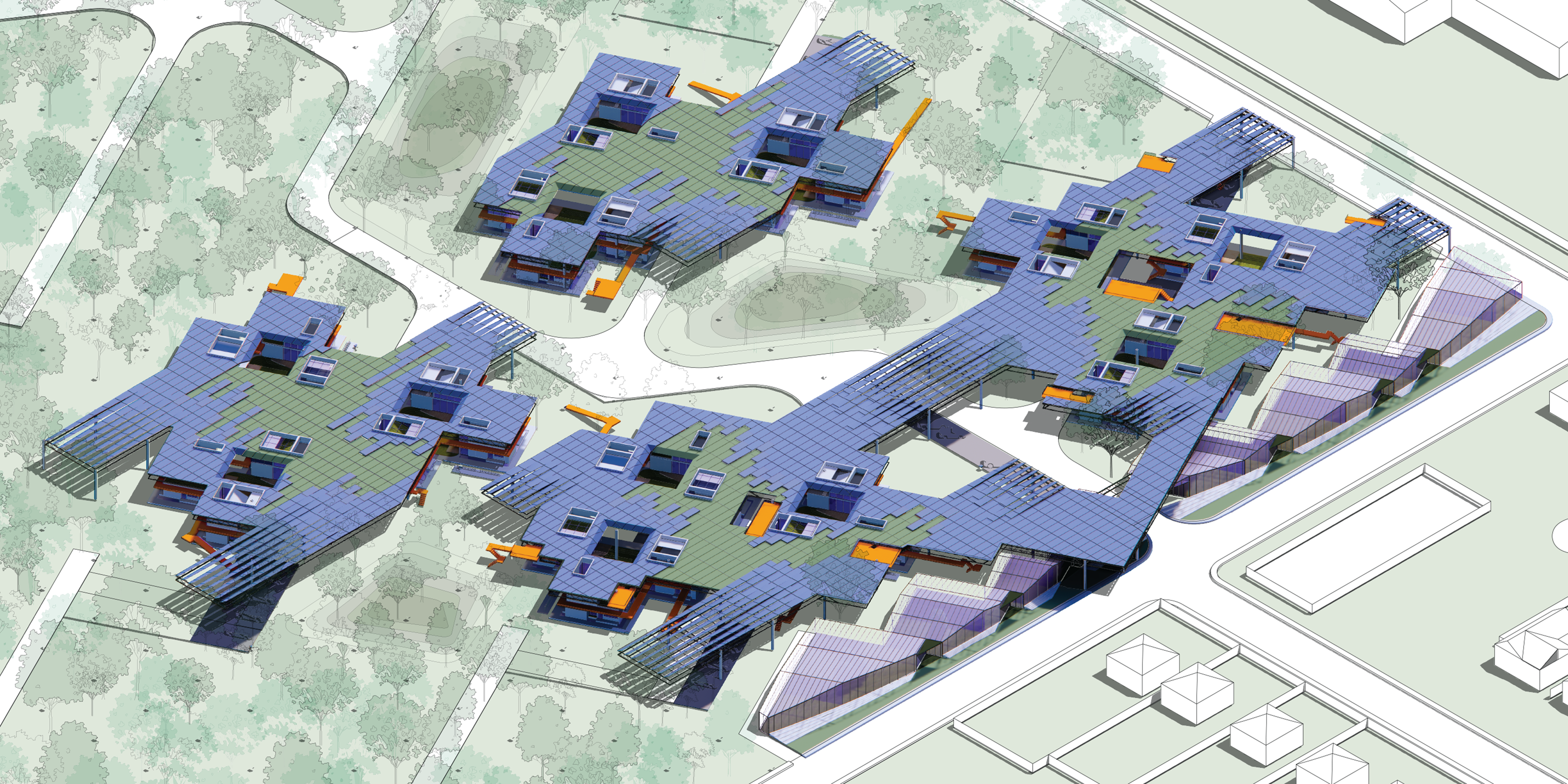
The Future of Sustainable Housing Development
In recent years, the concept of sustainable housing development has gained significant traction as more people become aware of the environmental impact of traditional construction practices. Sustainable housing aims to create homes that are energy-efficient, environmentally friendly, and socially responsible.
Key Principles of Sustainable Housing Development
One of the key principles of sustainable housing development is reducing energy consumption. This can be achieved through the use of renewable energy sources such as solar panels, wind turbines, and geothermal heating systems. By harnessing natural resources, sustainable homes can significantly lower their carbon footprint.
Another important aspect of sustainable housing is the use of eco-friendly materials. Builders are increasingly turning to recycled and locally sourced materials to reduce waste and minimise environmental impact. From bamboo flooring to reclaimed wood beams, sustainable homes are designed with a focus on sustainability at every stage.
The Benefits of Sustainable Housing
There are numerous benefits to investing in sustainable housing development. Not only do these homes have lower energy costs in the long run, but they also contribute to a healthier living environment for residents. Improved indoor air quality, better insulation, and natural lighting all play a role in creating a more comfortable and sustainable home.
Furthermore, sustainable housing developments often incorporate green spaces and community amenities that promote social interaction and well-being. From rooftop gardens to shared bike storage facilities, these developments are designed with the needs of residents and the environment in mind.
The Future Outlook
As awareness around sustainability continues to grow, we can expect to see an increase in sustainable housing developments worldwide. Governments, developers, and homeowners are recognising the importance of building homes that not only meet current needs but also protect the planet for future generations.
By embracing innovative technologies, design practices, and community engagement initiatives, the future of sustainable housing development looks promising. Together, we can create a more sustainable built environment that benefits both people and the planet.
Understanding Sustainable Housing Development: Key Features, Best Practices, and Essential Concepts
- What are main features of a sustainable home?
- What is the most sustainable house?
- What is sustainability in housing development?
- What are the 5 C’s of sustainability?
- What are the 4 major components of sustainable development?
- What is code 3 sustainable homes?
What are main features of a sustainable home?
When considering the main features of a sustainable home, several key elements come to mind. Energy efficiency is a fundamental aspect, achieved through the use of renewable energy sources like solar panels and energy-efficient appliances. Sustainable homes also focus on water conservation, often incorporating systems for rainwater harvesting and greywater recycling. Additionally, the use of eco-friendly materials, such as recycled or reclaimed wood, low VOC paints, and energy-efficient windows, plays a significant role in reducing environmental impact. Proper insulation, natural lighting design, and efficient heating and cooling systems are essential components that contribute to creating a comfortable and environmentally responsible living space in a sustainable home.
What is the most sustainable house?
When considering what constitutes the most sustainable house, several factors come into play. The most sustainable house is typically one that incorporates a combination of energy-efficient design, renewable energy sources, eco-friendly materials, and a focus on reducing waste and carbon footprint. Features such as passive solar design, high levels of insulation, efficient heating and cooling systems, and water-saving fixtures all contribute to making a house more sustainable. Additionally, incorporating smart technologies for monitoring and managing energy usage can further enhance the sustainability of a home. Ultimately, the most sustainable house is one that takes a holistic approach to environmental impact while providing a comfortable and healthy living space for its occupants.
What is sustainability in housing development?
Sustainability in housing development refers to the practice of creating homes that meet the needs of the present without compromising the ability of future generations to meet their own needs. It involves integrating environmentally friendly practices, energy-efficient technologies, and socially responsible design principles into the construction and operation of residential buildings. Sustainable housing development aims to minimise environmental impact, reduce energy consumption, and promote a healthy living environment for residents. By prioritising long-term sustainability over short-term gains, sustainable housing development plays a crucial role in addressing climate change and promoting a more resilient and equitable built environment.
What are the 5 C’s of sustainability?
The 5 C’s of sustainability in the context of housing development refer to key principles that guide the creation of environmentally friendly and socially responsible homes. These principles include Conservation, Consumption, Community, Collaboration, and Change. Conservation emphasises the preservation of natural resources through efficient use and responsible management. Consumption focuses on reducing energy and water consumption to minimise environmental impact. Community underscores the importance of fostering a sense of belonging and social cohesion within sustainable housing developments. Collaboration highlights the significance of working together with stakeholders to achieve common sustainability goals. Change represents the need for continuous improvement and adaptation to meet evolving environmental challenges in housing development practices.
What are the 4 major components of sustainable development?
When it comes to sustainable housing development, the four major components of sustainable development are often identified as environmental sustainability, social sustainability, economic sustainability, and cultural sustainability. Environmental sustainability focuses on reducing the ecological footprint of housing projects through energy efficiency, waste reduction, and use of renewable resources. Social sustainability involves creating inclusive and healthy communities that promote well-being and social equity. Economic sustainability aims to ensure long-term affordability and financial viability of housing projects. Lastly, cultural sustainability emphasises preserving local heritage, traditions, and identity within the built environment to foster a sense of place and belonging. These four components work together to create holistic and resilient sustainable housing developments that benefit both present and future generations.
What is code 3 sustainable homes?
Code 3 sustainable homes refer to properties that meet specific sustainability requirements set out by the Code for Sustainable Homes in the UK. These homes are designed and built with a focus on reducing their environmental impact, improving energy efficiency, and promoting sustainable living practices. Features of Code 3 sustainable homes may include high levels of insulation, energy-efficient heating systems, water-saving fixtures, and use of environmentally friendly materials. By achieving a Code 3 rating, these homes demonstrate a commitment to sustainability and contribute to creating a more eco-friendly built environment for the future.