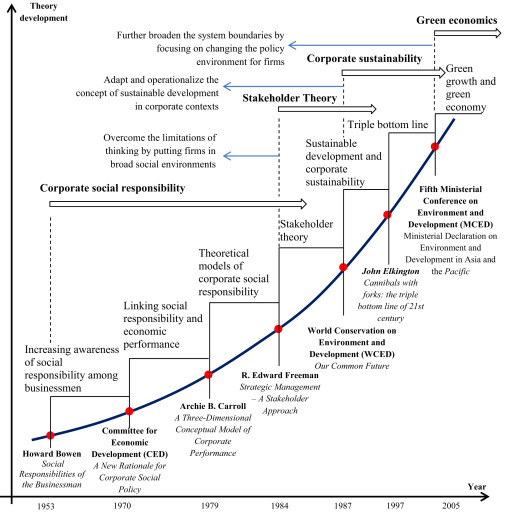
Theories of Sustainable Development
Sustainable development is a concept that has gained significant attention in recent years as societies worldwide grapple with the challenges of environmental degradation, social inequality, and economic instability. Various theories have emerged to guide policymakers, businesses, and communities in their efforts to achieve sustainable development goals.
Weak Sustainability vs. Strong Sustainability
One key debate in sustainable development theory is the distinction between weak sustainability and strong sustainability. Weak sustainability posits that natural and human-made capital are substitutable, meaning that environmental resources can be replaced with technological or human capital. In contrast, strong sustainability argues that certain natural resources are irreplaceable and must be preserved for future generations.
Ecological Modernisation Theory
Ecological modernisation theory suggests that economic growth and environmental protection can go hand in hand through technological innovation and regulatory measures. This theory emphasises the role of markets, government intervention, and social norms in promoting sustainable practices within industrialised societies.
Social-Ecological Systems Theory
Social-ecological systems theory recognises the interconnectedness of human societies and ecosystems. It highlights the need for adaptive governance structures that can respond to complex environmental challenges while fostering social equity and resilience. This theory emphasises the importance of local knowledge, community participation, and cross-sectoral collaboration.
Degrowth Theory
Degrowth theory challenges the notion of infinite economic growth on a finite planet. It advocates for a reduction in production and consumption levels to achieve ecological sustainability and social well-being. Degrowth proponents argue for a shift towards alternative economic models that prioritise quality of life over material accumulation.
Capability Approach
The capability approach, developed by economist Amartya Sen and philosopher Martha Nussbaum, focuses on enhancing individuals’ freedoms to live a life they value. This approach considers sustainable development not only in terms of economic growth but also in terms of expanding people’s capabilities to lead fulfilling lives within planetary boundaries.
In conclusion, theories of sustainable development offer diverse perspectives on how societies can achieve long-term prosperity while safeguarding the environment and promoting social justice. By understanding these theories and integrating them into policy-making processes, we can work towards building a more sustainable future for all.
Five Essential Theories for Advancing Sustainable Development Practices
- Consider the triple bottom line approach, which focuses on social, environmental, and economic factors.
- Explore the concept of intergenerational equity, ensuring that resources are managed responsibly for future generations.
- Embrace the principles of circular economy to minimize waste and maximize resource efficiency.
- Promote community involvement and stakeholder engagement in decision-making processes for sustainable development projects.
- Adopt a holistic approach that addresses interconnected issues such as poverty alleviation, environmental conservation, and social justice.
Consider the triple bottom line approach, which focuses on social, environmental, and economic factors.
The triple bottom line approach in theories of sustainable development advocates for a comprehensive evaluation of social, environmental, and economic factors when making decisions. By considering the interconnected impacts on people, planet, and profit, organisations and policymakers can strive for balanced outcomes that promote long-term sustainability. This approach recognises the importance of not only economic prosperity but also social equity and environmental stewardship in achieving truly sustainable development goals.
Explore the concept of intergenerational equity, ensuring that resources are managed responsibly for future generations.
Exploring the concept of intergenerational equity is crucial in the realm of sustainable development, as it underscores the importance of managing resources responsibly to meet the needs of both present and future generations. By prioritising long-term sustainability over short-term gains, societies can ensure that natural resources are preserved and utilised in a way that benefits not only the current population but also those yet to come. This principle highlights the ethical obligation to consider the well-being of future generations in decision-making processes, fostering a more equitable and sustainable approach to resource management.
Embrace the principles of circular economy to minimize waste and maximize resource efficiency.
Embracing the principles of the circular economy is a crucial aspect of sustainable development, aiming to minimise waste and maximise resource efficiency. By adopting a circular approach, where resources are reused, recycled, and repurposed in a continuous loop, we can reduce our environmental footprint and promote a more sustainable use of resources. This shift towards a circular economy not only helps to conserve natural resources but also encourages innovation and economic growth while mitigating the negative impacts of traditional linear consumption patterns on the environment.
Promote community involvement and stakeholder engagement in decision-making processes for sustainable development projects.
Promoting community involvement and stakeholder engagement in decision-making processes for sustainable development projects is a crucial tip that underpins the success of such initiatives. By actively involving local communities, residents, and relevant stakeholders in the planning and implementation stages, sustainable development projects can benefit from diverse perspectives, local knowledge, and increased social acceptance. This inclusive approach not only fosters a sense of ownership and empowerment among community members but also ensures that projects are more responsive to the specific needs and priorities of those directly affected by them. Ultimately, by prioritising community involvement and stakeholder engagement, sustainable development projects can achieve greater impact, longevity, and overall success in creating positive change for both people and the planet.
Adopt a holistic approach that addresses interconnected issues such as poverty alleviation, environmental conservation, and social justice.
To effectively navigate the complexities of sustainable development, it is crucial to adopt a holistic approach that recognises the interconnected nature of various issues. By addressing interconnected challenges such as poverty alleviation, environmental conservation, and social justice simultaneously, we can create more comprehensive and sustainable solutions. This approach acknowledges that these issues are intertwined and that progress in one area can have positive ripple effects on others. Embracing a holistic perspective allows us to tackle root causes and promote long-lasting change that benefits both people and the planet.