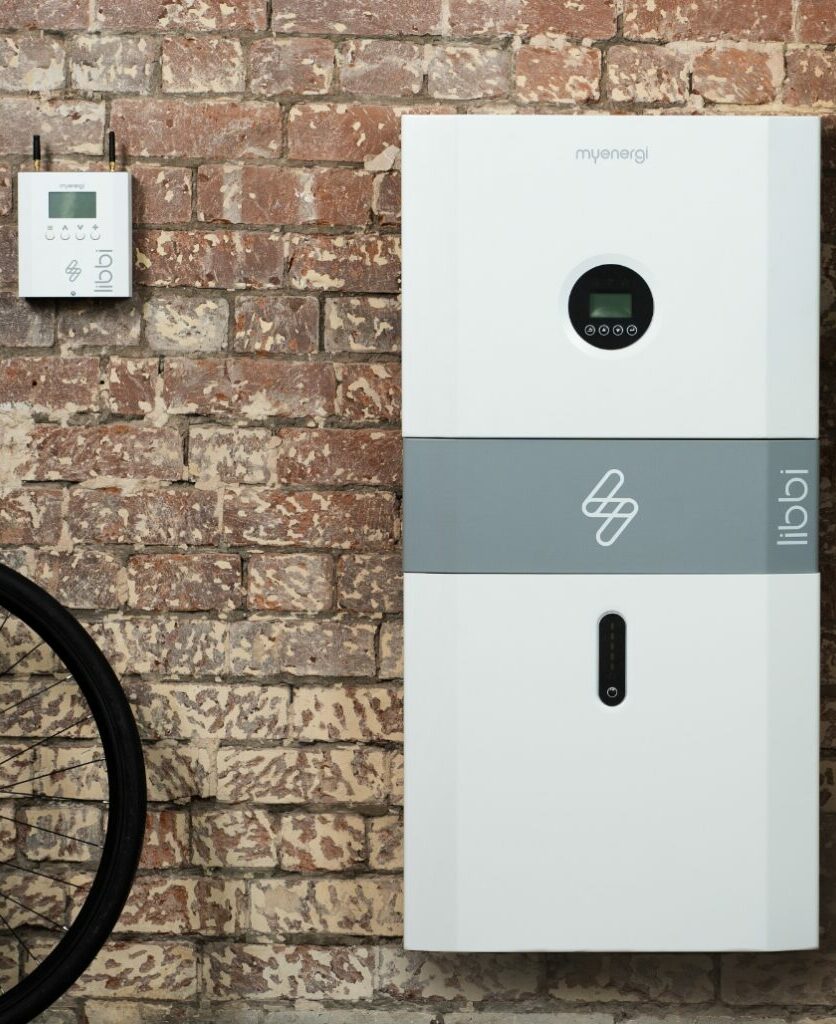
The Power of Home Battery Energy Storage
In recent years, the concept of home battery energy storage has gained significant traction as more and more homeowners look for ways to reduce their reliance on the grid and harness renewable energy sources. Home battery systems allow individuals to store excess electricity generated from solar panels or other renewable sources for later use, providing greater control over energy consumption and potentially saving money in the long run.
How Does It Work?
Home battery energy storage systems typically consist of lithium-ion batteries that are charged using electricity generated from solar panels or during off-peak hours when utility rates are lower. The stored energy can then be used during peak hours when electricity prices are higher or when there is a power outage, ensuring a reliable source of backup power.
Benefits of Home Battery Systems
- Energy Independence: By storing excess energy generated on-site, homeowners can reduce their dependence on the grid and have a reliable source of power even during outages.
- Cost Savings: Using stored energy during peak hours can help reduce electricity bills by avoiding higher utility rates.
- Environmental Impact: Home battery systems promote the use of renewable energy sources, reducing carbon emissions and contributing to a greener planet.
- Increased Resilience: Having a backup power source can provide peace of mind in case of emergencies or natural disasters.
The Future of Energy Storage
As technology continues to advance and costs decrease, home battery energy storage is expected to become more widespread. Innovations in battery technology and smart grid integration will further enhance the efficiency and effectiveness of these systems, making them an integral part of sustainable homes and communities.
Essential Tips for Choosing and Maintaining a Home Battery Energy Storage System in the UK
- 1. Consider your energy needs and usage patterns before choosing a home battery system.
- 2. Research different types of batteries available in the market to find the most suitable one for your home.
- 3. Ensure proper installation of the battery system by hiring a professional to avoid safety hazards.
- 4. Regularly monitor and maintain your home battery system to ensure optimal performance.
- 5. Explore available government incentives or rebates for installing a home battery energy storage system.
- 6. Integrate renewable energy sources like solar panels with your home battery system for increased efficiency.
- 7. Plan for emergencies by having backup power options in place in case of outages or grid failures.
- 8. Consult with experts or attend workshops to stay updated on the latest advancements in home battery technology.
1. Consider your energy needs and usage patterns before choosing a home battery system.
Before investing in a home battery energy storage system, it is crucial to consider your energy needs and usage patterns. Understanding how much electricity you consume on a daily basis and when you use it most can help you determine the size and capacity of the battery system that will best suit your requirements. By analysing your energy usage patterns, you can ensure that the home battery system you choose effectively meets your needs, maximising its benefits in terms of cost savings and energy independence.
2. Research different types of batteries available in the market to find the most suitable one for your home.
When considering home battery energy storage, it is essential to conduct thorough research on the various types of batteries available in the market to determine the most suitable option for your specific needs. By exploring different battery technologies and their capabilities, homeowners can make informed decisions that align with their energy consumption patterns, budget constraints, and long-term sustainability goals. Choosing the right battery system ensures optimal performance and efficiency, ultimately maximising the benefits of home energy storage.
3. Ensure proper installation of the battery system by hiring a professional to avoid safety hazards.
It is crucial to ensure the proper installation of a home battery energy storage system by hiring a professional to avoid safety hazards. By engaging a qualified expert for the installation process, homeowners can mitigate risks associated with improper setup, such as electrical faults or fire hazards. Professional installation not only guarantees the system’s optimal performance but also provides peace of mind knowing that the battery system is installed safely and securely in compliance with industry standards.
4. Regularly monitor and maintain your home battery system to ensure optimal performance.
It is crucial to regularly monitor and maintain your home battery system to ensure optimal performance. By keeping a close eye on the system and conducting routine maintenance checks, you can identify any issues early on and address them promptly. This proactive approach not only helps maximise the efficiency of your home battery energy storage but also extends its lifespan, ensuring that it continues to provide reliable backup power when you need it most.
5. Explore available government incentives or rebates for installing a home battery energy storage system.
When considering the installation of a home battery energy storage system, it is advisable to explore available government incentives or rebates that could help offset the initial costs. Many governments offer financial incentives to encourage the adoption of renewable energy technologies, including home battery systems. By taking advantage of these incentives, homeowners can not only make their investment more cost-effective but also contribute to a more sustainable and resilient energy future.
6. Integrate renewable energy sources like solar panels with your home battery system for increased efficiency.
To maximise the efficiency of your home battery energy storage system, consider integrating renewable energy sources such as solar panels. By harnessing the power of the sun to charge your batteries, you can reduce your reliance on the grid and further enhance the sustainability of your home energy setup. This integration allows you to store excess solar energy for later use, making your overall energy consumption more environmentally friendly and cost-effective in the long term.
7. Plan for emergencies by having backup power options in place in case of outages or grid failures.
Planning for emergencies is crucial when it comes to home battery energy storage. Tip number 7 suggests having backup power options ready to go in case of unexpected outages or grid failures. By ensuring that you have a reliable source of stored energy available, you can maintain power continuity during emergencies and stay prepared for any unforeseen circumstances. This proactive approach not only provides peace of mind but also underscores the importance of being self-sufficient and resilient in the face of disruptions to the grid.
8. Consult with experts or attend workshops to stay updated on the latest advancements in home battery technology.
To stay abreast of the latest advancements in home battery technology, it is advisable to consult with experts or attend workshops dedicated to this field. Engaging with professionals and participating in workshops can provide valuable insights into the evolving landscape of home battery energy storage. By staying informed about new developments and best practices, homeowners can make informed decisions when it comes to implementing and maximising the benefits of home battery systems.