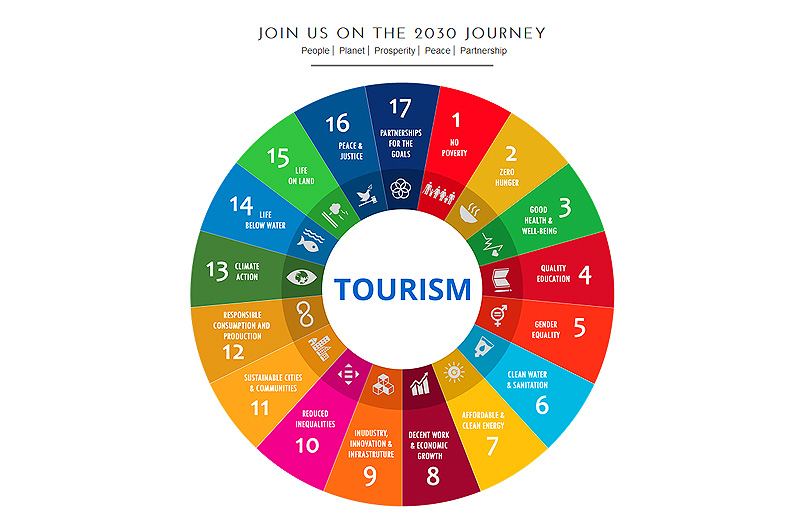
The Interplay Between Tourism and Sustainable Development
Tourism is a powerful force that can significantly impact the environment, economy, and society of a destination. As the travel industry continues to grow, it is crucial to consider the principles of sustainable development to ensure that tourism benefits both present and future generations.
Environmental Impact
One of the key aspects of sustainable tourism is minimising its environmental footprint. This involves promoting responsible practices such as reducing waste, conserving water and energy, protecting natural habitats, and supporting wildlife conservation efforts. By adopting eco-friendly initiatives, destinations can preserve their natural resources for future visitors to enjoy.
Economic Benefits
Sustainable tourism not only focuses on protecting the environment but also on supporting local economies. By prioritising community involvement and investing in local businesses, tourism can become a driver of economic growth and job creation in destination areas. This helps to empower local residents and reduce dependency on external sources of income.
Social Responsibility
Another important aspect of sustainable tourism is ensuring social equity and cultural preservation. By engaging with local communities, respecting their traditions, and promoting cultural exchange, tourism can foster mutual understanding and appreciation between visitors and residents. This leads to a more enriching travel experience for all parties involved.
The Way Forward
As we navigate the complexities of balancing tourism growth with sustainability goals, collaboration among stakeholders is essential. Governments, businesses, travellers, and local communities must work together to develop policies and practices that promote responsible tourism practices. By embracing sustainable development principles, we can create a more resilient and inclusive tourism industry that benefits both people and the planet.
Tourism and Sustainable Development: 8 Key Benefits for Communities and the Environment
- Promotes environmental conservation and protection of natural resources.
- Supports local economies by creating job opportunities and boosting small businesses.
- Encourages cultural preservation and appreciation of local traditions.
- Fosters community involvement and empowerment in destination areas.
- Reduces carbon footprint through eco-friendly practices and sustainable tourism initiatives.
- Enhances the quality of life for residents in tourist destinations.
- Promotes responsible travel behaviour among visitors, leading to more mindful tourism experiences.
- Contributes to the overall well-being of both tourists and local communities.
Challenges and Concerns in Tourism and Sustainable Development: Addressing Implementation, Conflicts, Awareness, and Greenwashing
Promotes environmental conservation and protection of natural resources.
Tourism, when approached sustainably, plays a crucial role in promoting environmental conservation and safeguarding natural resources. By raising awareness about the importance of preserving ecosystems and wildlife habitats, sustainable tourism encourages responsible behaviours among visitors and local communities. Through initiatives such as eco-tours, wildlife sanctuaries, and sustainable accommodation options, tourism can contribute to the protection of fragile environments and biodiversity. Ultimately, by integrating environmental conservation into tourism practices, we can ensure that future generations can continue to enjoy the beauty and richness of our natural world.
Supports local economies by creating job opportunities and boosting small businesses.
Tourism plays a vital role in supporting local economies by generating job opportunities and boosting small businesses. When visitors choose to explore a destination, they contribute to the creation of employment opportunities in various sectors such as hospitality, transportation, and local attractions. Additionally, tourists often seek authentic experiences, leading them to support small businesses like family-owned restaurants, artisan shops, and tour operators. This economic injection not only helps to stimulate growth within the community but also fosters a sense of pride and sustainability among local entrepreneurs.
Encourages cultural preservation and appreciation of local traditions.
Tourism’s promotion of cultural preservation and appreciation of local traditions is a significant benefit of sustainable development. By engaging with the cultural heritage of a destination, tourists not only gain a deeper understanding of the local way of life but also contribute to the preservation of traditions that might otherwise fade away. This exchange of knowledge and appreciation fosters mutual respect between visitors and residents, creating a more authentic and enriching travel experience for all involved.
Fosters community involvement and empowerment in destination areas.
Tourism’s promotion of community involvement and empowerment in destination areas is a significant benefit of sustainable development. By engaging with local residents, supporting small businesses, and encouraging cultural exchange, tourism creates opportunities for communities to actively participate in and benefit from the industry. This involvement not only enhances the overall travel experience for visitors but also empowers local residents by providing them with a platform to showcase their heritage, traditions, and skills. Ultimately, fostering community engagement through tourism helps to build stronger, more resilient destination areas that thrive on collaboration and mutual respect.
Reduces carbon footprint through eco-friendly practices and sustainable tourism initiatives.
By embracing eco-friendly practices and implementing sustainable tourism initiatives, the travel industry plays a crucial role in reducing carbon footprint. These efforts include promoting energy efficiency, minimising waste, supporting wildlife conservation, and preserving natural habitats. By prioritising sustainability, tourism not only lessens its environmental impact but also sets a positive example for other industries to follow. This proactive approach towards reducing carbon footprint contributes significantly to the overall goal of achieving a more environmentally friendly and sustainable future for our planet.
Enhances the quality of life for residents in tourist destinations.
Tourism’s integration with sustainable development can significantly enhance the quality of life for residents in tourist destinations. By promoting responsible tourism practices that respect local cultures, support community initiatives, and preserve natural resources, residents can benefit from improved infrastructure, increased job opportunities, and a greater sense of pride in their heritage. Sustainable tourism not only boosts the economy but also fosters social cohesion and cultural exchange, ultimately creating a more vibrant and inclusive environment for both residents and visitors to enjoy.
Promotes responsible travel behaviour among visitors, leading to more mindful tourism experiences.
Promoting responsible travel behaviour among visitors is a significant pro of tourism and sustainable development. By encouraging mindful practices such as respecting local cultures, conserving natural resources, and supporting community initiatives, tourists can engage in more meaningful and enriching experiences. This not only benefits the destinations they visit but also fosters a sense of cultural appreciation and environmental stewardship among travellers, ultimately contributing to a more sustainable and harmonious relationship between tourism and the places it impacts.
Contributes to the overall well-being of both tourists and local communities.
Tourism’s positive impact on sustainable development is evident in how it contributes to the overall well-being of both tourists and local communities. By fostering cultural exchange, promoting economic growth, and supporting community development initiatives, tourism creates opportunities for mutual understanding and collaboration. Tourists benefit from immersive experiences that enrich their lives, while local communities gain access to new sources of income and resources that enhance their quality of life. This symbiotic relationship between tourists and local residents fosters a sense of interconnectedness and shared prosperity, ultimately leading to a more sustainable and inclusive future for all involved.
Implementation challenges
Incorporating sustainable practices into existing tourism infrastructure poses a significant challenge due to the high costs and complexity involved. Implementing eco-friendly initiatives often requires substantial investment in upgrading facilities, adopting new technologies, and retraining staff to comply with sustainability standards. Additionally, coordinating various stakeholders, such as government bodies, businesses, and local communities, to align their efforts towards sustainable development goals can be a daunting task. Overcoming these implementation challenges demands a concerted effort and commitment from all parties involved in the tourism industry to ensure a successful transition towards more sustainable practices.
Potential conflicts
Balancing the interests of tourists, local communities, and environmental conservation efforts can present a significant challenge in the realm of tourism and sustainable development. Conflicts may arise when competing priorities emerge, such as deciding how to allocate resources or make decisions that impact all stakeholders. Local communities may feel pressured to cater to the demands of tourists, potentially compromising their cultural integrity or natural surroundings. Meanwhile, environmental conservation efforts may clash with the desire to attract more visitors for economic benefits. Finding a harmonious balance that respects the needs of all parties involved is crucial to ensuring that tourism contributes positively to sustainable development goals.
Limited awareness
Limited awareness among tourists about the importance of sustainable tourism practices poses a significant challenge to achieving sustainable development goals. Without a comprehensive understanding of the environmental, social, and economic impacts of their travel choices, many tourists may unknowingly engage in behaviours that harm destination communities and ecosystems. It is crucial to raise awareness and educate travellers about the benefits of responsible tourism to encourage more sustainable behaviours and ensure the long-term viability of tourism destinations.
Greenwashing concerns
One significant con of the intersection between tourism and sustainable development is the issue of greenwashing. This deceptive practice involves businesses falsely portraying themselves as environmentally conscious to attract customers, without genuinely implementing sustainable practices. Greenwashing not only misleads consumers but also undermines the credibility of authentic sustainability efforts. It poses a challenge to the integrity of the tourism industry’s commitment to environmental responsibility and highlights the importance of transparent and verifiable eco-friendly initiatives to combat such misleading practices.