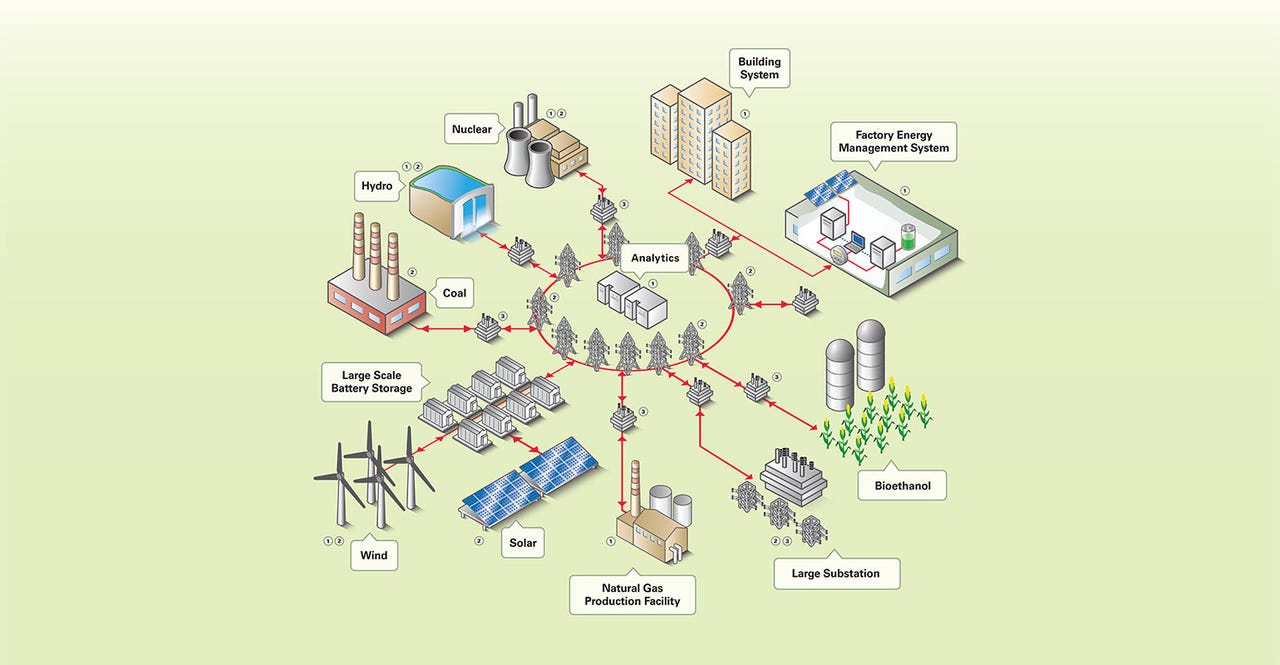
The Future of Energy Management: Smart Grid Solutions
In today’s rapidly evolving world, the demand for energy is constantly increasing. As traditional energy sources become scarcer and concerns about environmental impact grow, the need for efficient energy management solutions has never been more pressing. This is where smart grid technology comes into play.
A smart grid is an advanced electricity network that uses digital communication technology to detect and react to changes in electricity usage in real-time. By integrating renewable energy sources, energy storage systems, and smart meters, smart grids offer a more sustainable and reliable way to manage energy distribution.
One of the key benefits of smart grids is their ability to balance supply and demand dynamically. This means that excess energy generated from renewable sources can be stored and distributed when needed, reducing wastage and increasing overall efficiency. Additionally, smart grids enable consumers to monitor their energy usage in real-time, empowering them to make informed decisions about their consumption habits.
Smart grid solutions also enhance the resilience of the electricity network. By detecting faults or outages quickly and rerouting power automatically, smart grids minimise disruptions and improve reliability. This is particularly crucial in times of natural disasters or emergencies when a reliable power supply is essential.
Furthermore, smart grids pave the way for the integration of electric vehicles (EVs) into the energy ecosystem. By enabling bidirectional charging capabilities, EV batteries can store excess energy from the grid during off-peak hours and discharge it back when demand is high. This not only supports renewable energy integration but also reduces carbon emissions from transportation.
As we move towards a more sustainable future, smart grid solutions will play a pivotal role in revolutionising the way we generate, distribute, and consume electricity. By harnessing the power of digital technology and data analytics, smart grids offer a smarter, greener, and more resilient energy infrastructure for generations to come.
Six Advantages of Smart Grid Solutions: Enhancing Efficiency, Sustainability, and Resilience
- Enhances energy efficiency by balancing supply and demand in real-time.
- Enables integration of renewable energy sources for a more sustainable power grid.
- Empowers consumers to monitor and manage their energy usage effectively.
- Improves grid reliability by detecting faults quickly and rerouting power automatically.
- Supports the integration of electric vehicles, reducing carbon emissions from transportation.
- Enhances overall resilience of the electricity network during emergencies or natural disasters.
Challenges Facing Smart Grid Solutions: High Costs, Cybersecurity Risks, and Interoperability Issues
- Initial high implementation costs can be a barrier for widespread adoption of smart grid solutions.
- Cybersecurity threats pose a risk to the integrity and reliability of smart grid systems.
- Interoperability issues between different components and technologies may hinder seamless integration of smart grid solutions.
Enhances energy efficiency by balancing supply and demand in real-time.
One of the key advantages of smart grid solutions is their ability to enhance energy efficiency by dynamically balancing supply and demand in real-time. By intelligently managing the flow of electricity based on immediate needs, smart grids optimise energy distribution, reducing wastage and improving overall efficiency. This real-time adjustment ensures that energy is allocated where it is needed most, maximising the use of renewable sources and minimising reliance on traditional fossil fuels. The result is a more sustainable and cost-effective energy system that benefits both consumers and the environment.
Enables integration of renewable energy sources for a more sustainable power grid.
The integration of renewable energy sources is a crucial pro of smart grid solutions, as it paves the way for a more sustainable power grid. By incorporating solar, wind, and other renewable sources into the energy mix, smart grids enable a greener and cleaner electricity supply. This not only reduces reliance on fossil fuels but also helps mitigate the environmental impact of traditional energy generation methods. With smart grid technology facilitating the seamless integration of renewables, we can move towards a more sustainable future with a lower carbon footprint and greater energy independence.
Empowers consumers to monitor and manage their energy usage effectively.
Smart grid solutions empower consumers by providing them with the tools to monitor and manage their energy usage effectively. Through real-time data and insights, consumers can gain a better understanding of their electricity consumption patterns, allowing them to make informed decisions about when and how they use energy. This increased transparency not only helps consumers reduce their energy bills but also encourages sustainable practices by promoting awareness of the environmental impact of their energy usage. Ultimately, empowering consumers to take control of their energy consumption is a key benefit of smart grid technology in creating a more efficient and sustainable energy ecosystem.
Improves grid reliability by detecting faults quickly and rerouting power automatically.
Smart grid solutions offer a significant advantage in enhancing grid reliability by swiftly detecting faults and automatically rerouting power to minimise disruptions. This proactive approach to fault detection ensures that any issues within the grid are swiftly addressed, preventing widespread outages and maintaining a consistent power supply. By enabling automated rerouting of power, smart grids effectively improve the overall resilience of the electricity network, ensuring a more reliable and stable energy distribution system for consumers and businesses alike.
Supports the integration of electric vehicles, reducing carbon emissions from transportation.
Smart grid solutions play a crucial role in supporting the integration of electric vehicles, ultimately leading to a significant reduction in carbon emissions from transportation. By enabling bidirectional charging capabilities, smart grids allow electric vehicle batteries to store excess energy during off-peak hours and discharge it back into the grid when demand is high. This not only promotes the adoption of electric vehicles but also contributes to a more sustainable transportation ecosystem by minimising reliance on fossil fuels and lowering overall carbon footprint.
Enhances overall resilience of the electricity network during emergencies or natural disasters.
An important advantage of smart grid solutions is their ability to enhance the overall resilience of the electricity network, especially during emergencies or natural disasters. By quickly detecting faults or outages and automatically rerouting power, smart grids minimise disruptions and improve the reliability of the energy supply. This capability is crucial in ensuring that essential services remain operational when faced with unforeseen events, ultimately increasing the network’s ability to withstand and recover from adverse situations efficiently.
Initial high implementation costs can be a barrier for widespread adoption of smart grid solutions.
The initial high implementation costs associated with smart grid solutions can pose a significant barrier to their widespread adoption. Upgrading existing infrastructure, deploying advanced technologies, and integrating various components can require substantial financial investment. This cost factor may deter some utility companies and communities from embracing smart grid solutions, despite their long-term benefits. Overcoming this challenge will require innovative financing models, government incentives, and stakeholder collaboration to make smart grid technology more accessible and affordable for a broader range of users.
Cybersecurity threats pose a risk to the integrity and reliability of smart grid systems.
Cybersecurity threats present a significant challenge to the integrity and reliability of smart grid systems. With the increasing interconnectedness and digitisation of energy networks, these systems become vulnerable to malicious cyber attacks that can disrupt operations, compromise data security, and even lead to widespread power outages. Ensuring robust cybersecurity measures is essential to safeguarding smart grid infrastructure against potential threats and maintaining the trust of consumers in the reliability of energy supply.
Interoperability issues between different components and technologies may hinder seamless integration of smart grid solutions.
Interoperability issues between different components and technologies pose a significant challenge to the seamless integration of smart grid solutions. The lack of standardisation and compatibility between various systems can lead to communication breakdowns and inefficiencies within the grid. This can result in delays in data transfer, misinterpretation of information, and overall hindrance to the optimal functioning of the smart grid infrastructure. Addressing these interoperability issues is crucial to ensure a smooth transition towards a more interconnected and efficient energy management system.