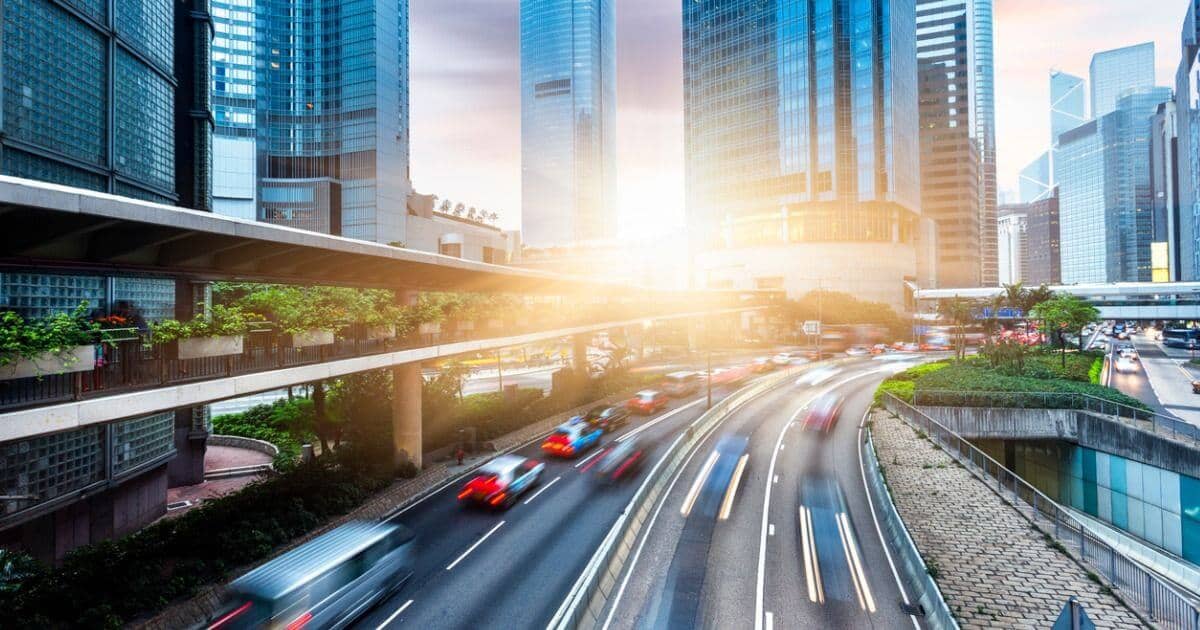
The Future of Urban Living: Smart Cities Solutions
In an increasingly urbanised world, the concept of smart cities is gaining traction as a solution to the challenges faced by modern urban areas. Smart cities leverage technology and data to improve efficiency, sustainability, and quality of life for residents. From reducing traffic congestion to enhancing public safety, smart cities offer a range of innovative solutions that have the potential to transform our urban landscape.
Key Components of Smart Cities
Smart cities integrate various technologies and systems to create a connected and intelligent urban environment. Some key components include:
- Smart Infrastructure: Utilising IoT sensors and data analytics to monitor and manage critical infrastructure such as transportation networks, energy systems, and water supply.
- Smart Mobility: Implementing solutions like real-time traffic monitoring, smart parking systems, and public transportation optimisation to reduce congestion and improve transportation efficiency.
- Smart Governance: Using digital platforms for citizen engagement, e-governance services, and data-driven decision-making to enhance transparency and accountability in city management.
- Smart Environment: Employing sensors for air quality monitoring, waste management optimisation, and green initiatives to promote environmental sustainability within cities.
The Benefits of Smart Cities
The adoption of smart city solutions offers a wide range of benefits for both residents and local governments. These include:
- Improved Quality of Life: Enhanced public services, better infrastructure management, and increased accessibility contribute to a higher quality of life for residents.
- Sustainability: Smart cities promote energy efficiency, reduce carbon emissions, and encourage sustainable practices that benefit the environment.
- Economic Growth: By fostering innovation, attracting investment, and creating new job opportunities in technology sectors, smart cities can drive economic growth and prosperity.
- Safety and Security: Advanced surveillance systems, emergency response mechanisms, and predictive analytics enhance public safety measures within urban areas.
The Future is Smart
As urban populations continue to grow rapidly worldwide, the need for smart city solutions becomes more pressing than ever. By harnessing the power of technology and data-driven approaches, cities can address complex challenges effectively while creating more sustainable, resilient communities for future generations. The future is undoubtedly smart – are you ready to embrace it?
Understanding Smart Cities: Solutions, Benefits, and Technologies
- What are smart cities and how do they work?
- What are the key benefits of implementing smart city solutions?
- How can smart cities improve sustainability and environmental impact?
- What technologies are commonly used in smart city initiatives?
- How do smart cities address issues like traffic congestion and public safety?
What are smart cities and how do they work?
Smart cities are urban environments that leverage technology and data to enhance efficiency, sustainability, and quality of life for residents. These innovative cities integrate various components such as smart infrastructure, mobility solutions, governance systems, and environmental initiatives to create a connected and intelligent urban landscape. Smart cities work by deploying IoT sensors, data analytics, and digital platforms to monitor and manage critical services like transportation networks, energy systems, public safety measures, and environmental resources. By collecting and analysing real-time data, smart cities can make informed decisions to optimise resources, improve services, reduce waste, and enhance the overall urban experience for inhabitants.
What are the key benefits of implementing smart city solutions?
Implementing smart city solutions offers a multitude of key benefits that can significantly enhance urban living. By leveraging technology and data-driven approaches, smart cities can improve efficiency, sustainability, and quality of life for residents. Some of the key benefits include enhanced public services, better infrastructure management, increased accessibility, improved environmental sustainability, economic growth through innovation and investment attraction, as well as heightened safety and security measures. Overall, the implementation of smart city solutions not only addresses current urban challenges effectively but also paves the way for creating more livable and resilient communities for the future.
How can smart cities improve sustainability and environmental impact?
Smart cities have the potential to significantly enhance sustainability and reduce environmental impact through the integration of innovative technologies and data-driven solutions. By implementing smart infrastructure, such as IoT sensors and real-time monitoring systems, cities can optimise resource usage, reduce energy consumption, and minimise waste generation. Smart mobility initiatives, such as intelligent transportation systems and bike-sharing programmes, help promote eco-friendly modes of transport and reduce greenhouse gas emissions. Additionally, smart governance practices enable better urban planning decisions based on data analytics, leading to more efficient land use and preservation of green spaces. Overall, smart cities offer a holistic approach to improving sustainability and mitigating environmental impact by leveraging technology for a greener and more sustainable urban future.
What technologies are commonly used in smart city initiatives?
In smart city initiatives, a variety of technologies are commonly utilised to enhance urban living and address complex challenges. These technologies include Internet of Things (IoT) sensors for collecting real-time data on infrastructure and environmental conditions, artificial intelligence (AI) for analysing vast amounts of data to make informed decisions, smart grids for efficient energy management, and digital platforms for citizen engagement and e-governance services. Additionally, technologies such as blockchain for secure data transactions, autonomous vehicles for improved mobility, and renewable energy solutions play key roles in shaping the future of smart cities. By integrating these diverse technologies, smart city initiatives aim to create more sustainable, efficient, and liveable urban environments for residents.
How do smart cities address issues like traffic congestion and public safety?
Smart cities employ a range of innovative solutions to tackle issues such as traffic congestion and public safety. To address traffic congestion, smart cities utilise technologies like real-time traffic monitoring, intelligent transportation systems, and smart parking solutions to optimise traffic flow and reduce bottlenecks. By implementing data-driven strategies and predictive analytics, cities can better manage traffic patterns and improve overall mobility for residents. In terms of public safety, smart cities leverage advanced surveillance systems, IoT sensors, and emergency response mechanisms to enhance security measures. These technologies enable authorities to monitor public spaces more effectively, respond to emergencies promptly, and proactively address potential safety threats within urban areas. Through a combination of technology and data-driven approaches, smart cities are transforming the way we address complex urban challenges to create safer and more efficient environments for all residents.