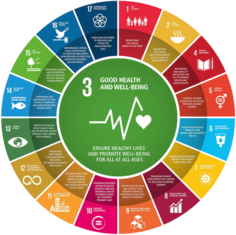
The Targets of Sustainable Development Goal 3: Good Health and Well-Being
Sustainable Development Goal 3 (SDG 3) focuses on ensuring healthy lives and promoting well-being for all at all ages. This goal encompasses a set of targets that aim to address various aspects of health and well-being globally. Let’s explore some of the key targets under SDG 3:
Target 3.1: Reduce Maternal Mortality
This target aims to reduce the global maternal mortality ratio and ensure universal access to sexual and reproductive healthcare services. By improving maternal health, we can save the lives of mothers and promote a healthier start for newborns.
Target 3.4: Prevent Non-Communicable Diseases
Non-communicable diseases such as heart disease, cancer, diabetes, and respiratory diseases are major health challenges worldwide. Target 3.4 focuses on reducing premature mortality from these diseases through prevention, treatment, and promotion of mental health.
Target 3.8: Achieve Universal Health Coverage
Universal health coverage ensures that everyone has access to quality essential healthcare services without facing financial hardship. Target 3.8 strives to achieve this by providing access to safe, effective, quality, and affordable essential medicines and vaccines for all.
Target 3.b: Support Research for Vaccines and Medicines
This target emphasises the importance of research and development of vaccines and medicines that are affordable and accessible to all. By investing in research, we can combat infectious diseases, improve healthcare outcomes, and enhance global health security.
In conclusion, the targets under SDG 3 play a crucial role in promoting good health and well-being for individuals worldwide. Achieving these targets requires collective action, investment in healthcare systems, and prioritising public health initiatives at both national and international levels.
8 Essential Strategies to Achieve SDG 3 Targets for Health and Well-being
- Promote healthy lifestyles to reduce non-communicable diseases.
- Ensure access to affordable essential medicines and vaccines.
- Support mental health awareness and services for all ages.
- Strengthen the capacity of healthcare systems in developing countries.
- Encourage safe practices to reduce road traffic accidents.
- Increase funding for research on communicable diseases like HIV/AIDS, tuberculosis, and malaria.
- Advocate for universal health coverage, including financial risk protection.
- Improve maternal health by promoting skilled birth attendance.
Promote healthy lifestyles to reduce non-communicable diseases.
Promoting healthy lifestyles is a key strategy in achieving Sustainable Development Goal 3 targets, particularly in reducing non-communicable diseases. By encouraging individuals to adopt habits such as regular exercise, balanced diets, and avoiding harmful substances like tobacco and excessive alcohol consumption, we can significantly lower the risk of diseases such as heart disease, diabetes, and cancer. Emphasising the importance of preventive measures through healthy living not only improves individual well-being but also contributes to building healthier communities and reducing the burden on healthcare systems.
Ensure access to affordable essential medicines and vaccines.
Ensuring access to affordable essential medicines and vaccines is a critical component of achieving Sustainable Development Goal 3, which focuses on promoting good health and well-being for all. By making essential medicines and vaccines accessible and affordable, we can improve healthcare outcomes, prevent the spread of diseases, and ultimately save lives. This target not only addresses the immediate health needs of individuals but also contributes to building resilient healthcare systems that can effectively respond to public health challenges. Prioritising affordable access to essential medicines and vaccines is key to creating a healthier and more equitable world for everyone.
Support mental health awareness and services for all ages.
Supporting mental health awareness and services for all ages is a crucial aspect of achieving Sustainable Development Goal 3. By prioritising mental health, we can ensure that individuals of all ages have access to the support and resources they need to maintain their well-being. Raising awareness about mental health issues helps to reduce stigma and encourages people to seek help when needed. Investing in mental health services not only improves individual outcomes but also contributes to building healthier and more resilient communities.
Strengthen the capacity of healthcare systems in developing countries.
Strengthening the capacity of healthcare systems in developing countries is a crucial step towards achieving Sustainable Development Goal 3 targets. By investing in infrastructure, healthcare personnel training, medical supplies, and technology, these countries can improve access to quality healthcare services for their populations. Building resilient healthcare systems not only enhances the overall well-being of individuals but also contributes to the sustainable development of communities by reducing disease burden, increasing life expectancy, and promoting healthier lifestyles. This investment in healthcare infrastructure is essential for ensuring that all individuals have equal opportunities to lead healthy lives and receive the care they need.
Encourage safe practices to reduce road traffic accidents.
Encouraging safe practices to reduce road traffic accidents is a vital aspect of achieving Sustainable Development Goal 3 targets related to promoting good health and well-being. By advocating for measures such as obeying speed limits, wearing seat belts, avoiding distractions while driving, and prioritising pedestrian safety, we can significantly decrease the number of road traffic accidents. Such efforts not only save lives but also contribute to creating safer and healthier communities where individuals can thrive without the fear of preventable accidents on the roads.
Increase funding for research on communicable diseases like HIV/AIDS, tuberculosis, and malaria.
Increasing funding for research on communicable diseases such as HIV/AIDS, tuberculosis, and malaria is crucial in achieving Sustainable Development Goal 3 targets. By investing in research for these diseases, we can develop more effective prevention strategies, diagnostic tools, and treatments. This not only improves the health outcomes of individuals affected by these diseases but also contributes to global efforts in combating infectious diseases and promoting overall well-being. Adequate funding for research is essential to drive innovation and progress towards a healthier future for all.
Advocate for universal health coverage, including financial risk protection.
Advocating for universal health coverage, which includes financial risk protection, is crucial in ensuring that everyone has access to essential healthcare services without facing financial hardship. By championing this cause, we can work towards a future where individuals and communities can seek medical care without worrying about the financial burden it may bring. Universal health coverage not only promotes good health and well-being but also contributes to a more equitable and inclusive society where everyone has the opportunity to lead a healthy life.
Improve maternal health by promoting skilled birth attendance.
Improving maternal health by promoting skilled birth attendance is a crucial step towards achieving Sustainable Development Goal 3 targets. Skilled birth attendants play a vital role in ensuring safe deliveries, reducing maternal mortality rates, and enhancing the overall well-being of both mothers and newborns. By providing women with access to trained healthcare professionals during childbirth, we can significantly improve outcomes and contribute to a healthier start for families. Investing in promoting skilled birth attendance is not only a key aspect of maternal healthcare but also a fundamental component of building stronger healthcare systems that prioritise the well-being of women and children.