The Benefits of Urban Greening
Urban greening, the practice of adding green spaces to urban environments, is becoming increasingly important in our modern cities. As urban areas continue to expand and develop, the need for green spaces becomes more critical than ever. Here are some key benefits of urban greening:
Improving Air Quality
Green spaces in cities help to absorb pollutants and improve air quality. Trees and plants filter out harmful gases and particulate matter, reducing the impact of air pollution on residents’ health.
Enhancing Biodiversity
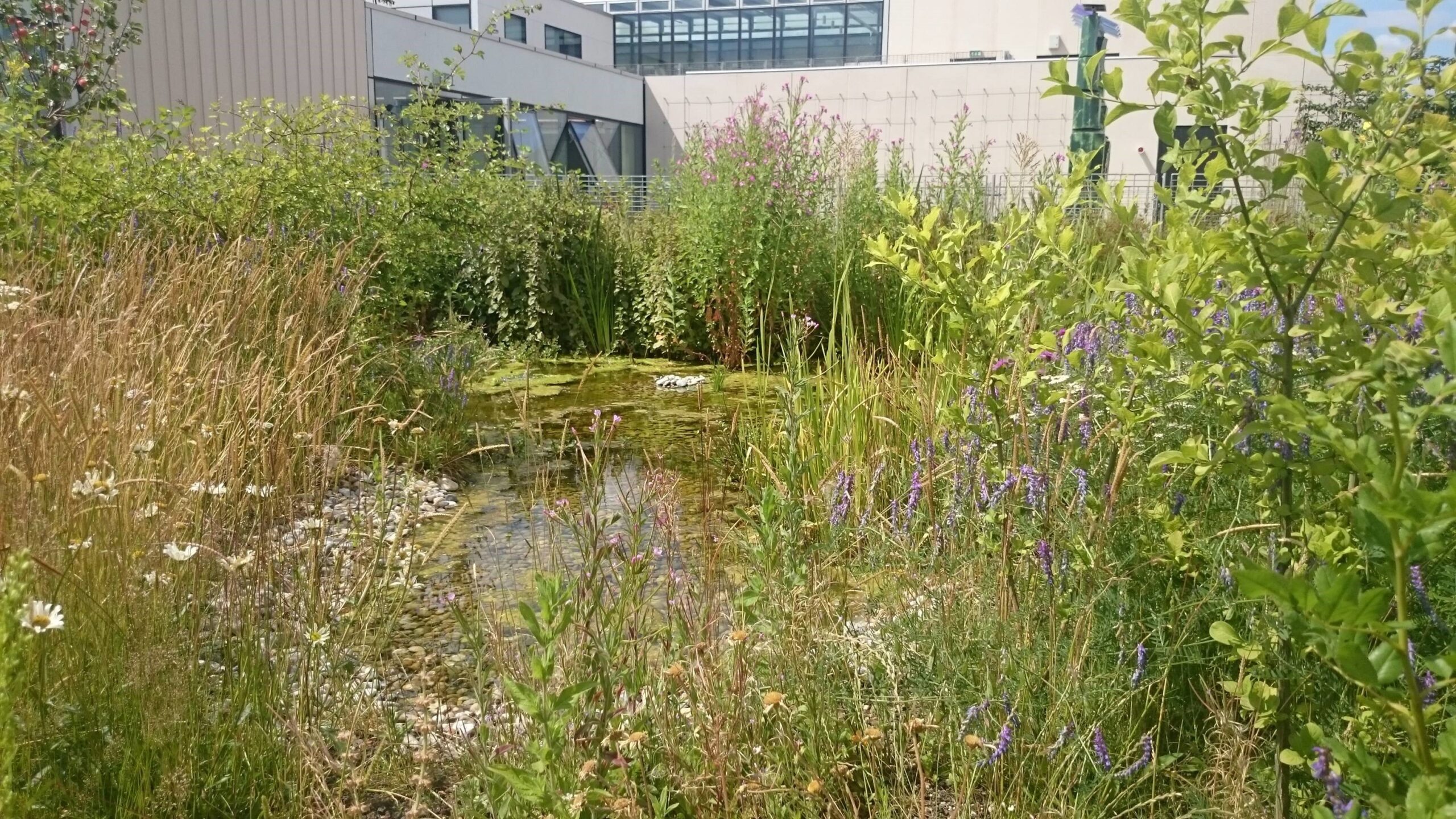
Urban greening provides habitats for a variety of plant and animal species. By creating green corridors and parks within cities, we can support biodiversity and create ecosystems that are essential for a healthy environment.
Reducing Urban Heat Island Effect
Green spaces help to lower temperatures in urban areas by providing shade and cooling effects. This is particularly important during hot summer months when cities experience the urban heat island effect, resulting in higher temperatures compared to surrounding rural areas.
Promoting Mental Wellbeing
Access to green spaces has been shown to have positive effects on mental health and wellbeing. Parks and gardens offer opportunities for relaxation, exercise, and social interaction, contributing to overall quality of life for city residents.
Increasing Property Values
Properties located near green spaces tend to have higher values due to their proximity to nature. Urban greening can enhance the aesthetic appeal of neighbourhoods and attract potential buyers or renters looking for a healthier living environment.
In conclusion, urban greening is not just about adding more plants and trees to cities; it’s about creating sustainable, liveable environments that benefit both people and the planet. By prioritising green spaces in urban planning and development, we can build healthier, more resilient cities for generations to come.
Exploring Urban Greening: Importance, Air Quality, Benefits, Strategies, and Biodiversity Impact
- What is urban greening and why is it important?
- How does urban greening contribute to improving air quality?
- What are the benefits of creating green spaces in cities?
- What strategies can be used to implement urban greening initiatives?
- How does urban greening impact biodiversity in urban environments?
What is urban greening and why is it important?
Urban greening refers to the strategic integration of green spaces, such as parks, gardens, and trees, into urban environments. It plays a crucial role in enhancing the quality of life in cities by providing numerous benefits. Urban greening is important for several reasons. Firstly, it helps to mitigate the negative effects of urbanisation, such as air pollution and the urban heat island effect, by improving air quality and reducing temperatures. Additionally, urban greening promotes biodiversity, supports wildlife habitats, and contributes to a healthier ecosystem within cities. Moreover, green spaces offer recreational opportunities for residents, improve mental wellbeing, and create aesthetically pleasing environments that enhance property values. Overall, urban greening is essential for creating sustainable and liveable cities that prioritise the well-being of both residents and the environment.
How does urban greening contribute to improving air quality?
Urban greening plays a crucial role in improving air quality in urban areas by acting as a natural filter for pollutants. Trees and plants absorb harmful gases such as carbon dioxide, nitrogen oxides, and sulphur dioxide, while also capturing particulate matter from the air. Through the process of photosynthesis, green spaces release oxygen back into the atmosphere, helping to counterbalance the effects of vehicle emissions and industrial activities. By increasing the amount of vegetation in cities, urban greening not only enhances the aesthetic appeal of urban environments but also provides a tangible solution to combatting air pollution and promoting healthier living conditions for residents.
What are the benefits of creating green spaces in cities?
Creating green spaces in cities offers a multitude of benefits that contribute to the overall well-being of urban residents and the environment. Green spaces help improve air quality by absorbing pollutants and providing oxygen, thereby promoting better respiratory health. They also support biodiversity, providing habitats for various plant and animal species essential for a balanced ecosystem. Additionally, green spaces reduce the urban heat island effect by offering shade and cooling effects, making cities more comfortable during hot weather. These areas also serve as recreational spaces for physical activity, relaxation, and social interaction, promoting mental well-being among city dwellers. Furthermore, green spaces enhance the aesthetic appeal of urban areas, increasing property values and attracting residents seeking a healthier living environment. Overall, creating green spaces in cities is crucial for fostering sustainable and liveable environments that benefit both people and nature.
What strategies can be used to implement urban greening initiatives?
Implementing urban greening initiatives requires a combination of strategic planning and community involvement. One effective strategy is to integrate green infrastructure into urban development projects, such as incorporating green roofs, vertical gardens, and tree-lined streets. Collaborating with local authorities, businesses, and residents is essential to ensure buy-in and support for greening initiatives. Another approach is to establish policies and regulations that mandate the inclusion of green spaces in urban planning schemes. By adopting a multi-faceted approach that combines infrastructure improvements, community engagement, and policy frameworks, cities can successfully implement urban greening initiatives that enhance sustainability and quality of life for all residents.
How does urban greening impact biodiversity in urban environments?
Urban greening plays a crucial role in enhancing biodiversity in urban environments. By introducing green spaces such as parks, gardens, and green corridors within cities, we provide habitats for a diverse range of plant and animal species. These green areas act as sanctuaries for wildlife, supporting their survival and contributing to the overall biodiversity of urban ecosystems. Additionally, urban greening helps to connect fragmented habitats, allowing species to move more freely and promoting genetic diversity. Ultimately, by prioritising urban greening initiatives, we can create more sustainable and resilient cities that support a healthier environment for all living organisms.